
Sheffield Greyhound Results: Owlerton Race Data, Track Stats and Analysis
Every trap. Every time. Every result.Best Greyhound Betting Sites – Bet on Greyhounds in 2026
 Available in US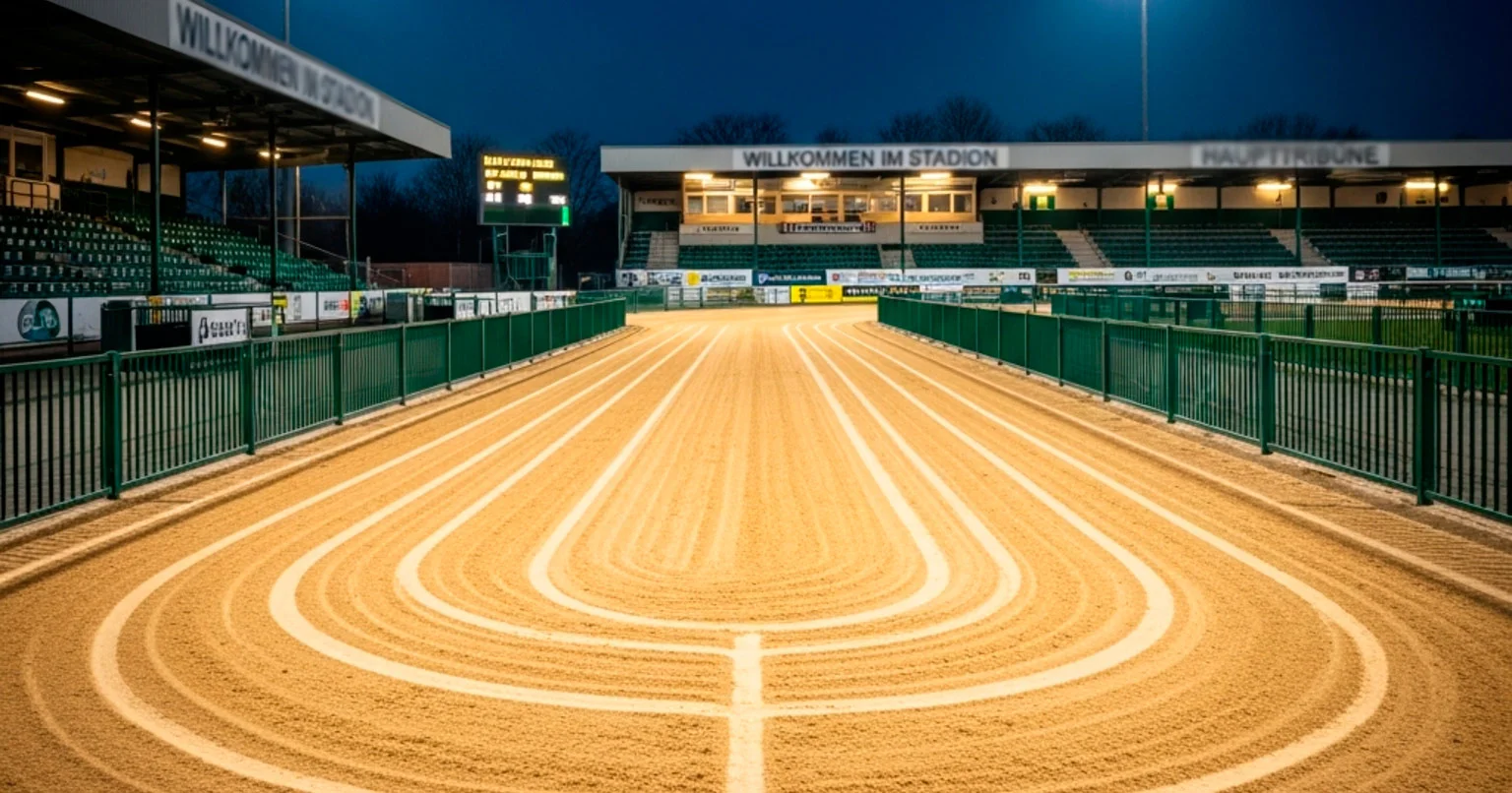
Sheffield greyhound results tell you more than which dog crossed the line first. At Owlerton Stadium, one of the busiest licensed tracks in Britain with over 260 meetings a year and upwards of 300,000 visitors passing through its gates annually, every race card carries layers of data that most casual punters never bother to unpack. Trap draws, sectional times, form figures, going conditions — the information is all there, printed right on the racecard or available within seconds online. The difference between a punter who consistently finds value and one who picks names at random usually comes down to knowing what to do with it.
This page exists to bring all of that together in one place. Rather than bouncing between a results service, a Wikipedia history section and a half-finished blog post about trap statistics, you get Sheffield-specific race data, Owlerton track analysis, distance breakdowns, betting market context and welfare figures — structured, sourced and written by people who actually watch the dogs run. Whether you are checking tonight's results, studying form for Friday's card or trying to understand why trap one seems to win everything on a wet 280-metre sprint, the answer is somewhere below.
Sheffield is not just another BAGS venue filling daytime betting-shop screens. It is a stadium with nearly a century of racing history and a fixture list that hosts everything from casual Friday nights to the Category One Steel City Cup. The data here reflects that depth. If you want a shallow list of winners, dozens of sites will oblige. If you want to understand the results — what drives them, what patterns recur, what the numbers actually mean — keep reading.
What Sheffield Punters Need to Know First
- Owlerton is the UK's fourth most popular greyhound track, staging 260+ meetings a year across nine race distances from 280m sprints to 934m marathons.
- Trap bias is real but conditional — inside traps gain an edge on sprints and wet tracks, while longer distances neutralise the draw advantage.
- Favourites win roughly 30–40% of greyhound races; the top three in the betting produce the winner about 73% of the time, leaving a meaningful value window for form students.
- Welfare figures have improved sharply: 94% of retired greyhounds were successfully rehomed in 2024, with the injury rate at a record low of 1.07%.
- Sheffield betting markets run almost daily through BAGS fixtures, but higher-quality open racing is concentrated on Friday and Saturday evenings.
Owlerton Stadium: Sheffield's Greyhound Racing Hub
Location: Penistone Road, Sheffield S6 2DE
Capacity: 4,000 spectators
Parking: 700 spaces on site
Track surface: Sand
Hare type: Outside Swaffham
Meetings per year: 260+
Owlerton Stadium sits on Penistone Road in the S6 postcode, roughly two miles northwest of Sheffield city centre. It has been running greyhounds since 1932 and remains one of the most active tracks in the country. According to GreyhoundRacingTimes, Owlerton is rated the fourth most popular greyhound stadium in the United Kingdom — a standing it maintains through sheer volume of racing and a loyal regional following that stretches well beyond South Yorkshire.
The numbers behind that ranking tell their own story. The stadium stages more than 260 meetings annually and welcomes over 300,000 visitors through its doors each year, according to UKGreyhoundRacing. For context, that is roughly five meetings every week, virtually year-round, split between evening open-race fixtures and daytime BAGS cards that supply content to betting shops and online platforms across the country. Very few entertainment venues in Sheffield can claim that kind of throughput.
The broader greyhound racing industry provides a meaningful economic footprint. Mark Moisley, Commercial Director of the Greyhound Board of Great Britain, has stated that the sport "contributes £164 million a year to the economy, employs 5,400 people and remains one of the top 10 spectator sports in the UK" — a figure that places greyhound racing ahead of several sports that receive far more media attention. Sheffield's share of that contribution is significant given its fixture density and the fact that Owlerton serves as a regional hub for trainers and owners across the north of England.
The registered sector nationally encompasses approximately 500 licensed trainers, around 3,000 kennel workers and some 15,000 greyhound owners, with roughly 6,000 new greyhounds registered for racing every year according to GBGB industry figures. Owlerton draws from a sizeable pool of those trainers, particularly kennels based in Yorkshire, Derbyshire and Nottinghamshire, which means the quality of competition at Sheffield tends to be strong even on routine midweek cards.
One detail that sets Owlerton apart from almost every other UK track is its audience composition during the warmer months. Summer attendance typically rises by over 4,000 additional visitors, and approximately 50% of those summer attendees are women — a demographic split that prompted the stadium to launch the only dedicated Ladies Day in British greyhound racing, according to GreyhoundBetting. That initiative has helped reposition Owlerton as a social destination rather than solely a betting venue, broadening the track's appeal without diluting its core purpose as a competitive racing stadium.
The political backdrop to greyhound racing in England has been a source of anxiety for the sport in recent years, particularly as Wales and Scotland have moved toward legislative bans. However, the UK's Secretary of State for Culture, Media and Sport, Lisa Nandy, told Parliament in February 2025 that the government has "absolutely no plans whatsoever to ban greyhound racing" in England, citing both the enjoyment it brings and its economic contribution. For Owlerton and its counterparts across the licensed GBGB stadiums in Great Britain, that statement provided welcome clarity heading into the 2026 racing season.
Owlerton's combination of high fixture volume, a strong trainer pool and genuine community engagement makes it one of the most data-rich tracks in Britain — which is precisely what makes Sheffield greyhound results worth analysing in depth.
Nine Race Distances at Sheffield — Sprint to Marathon
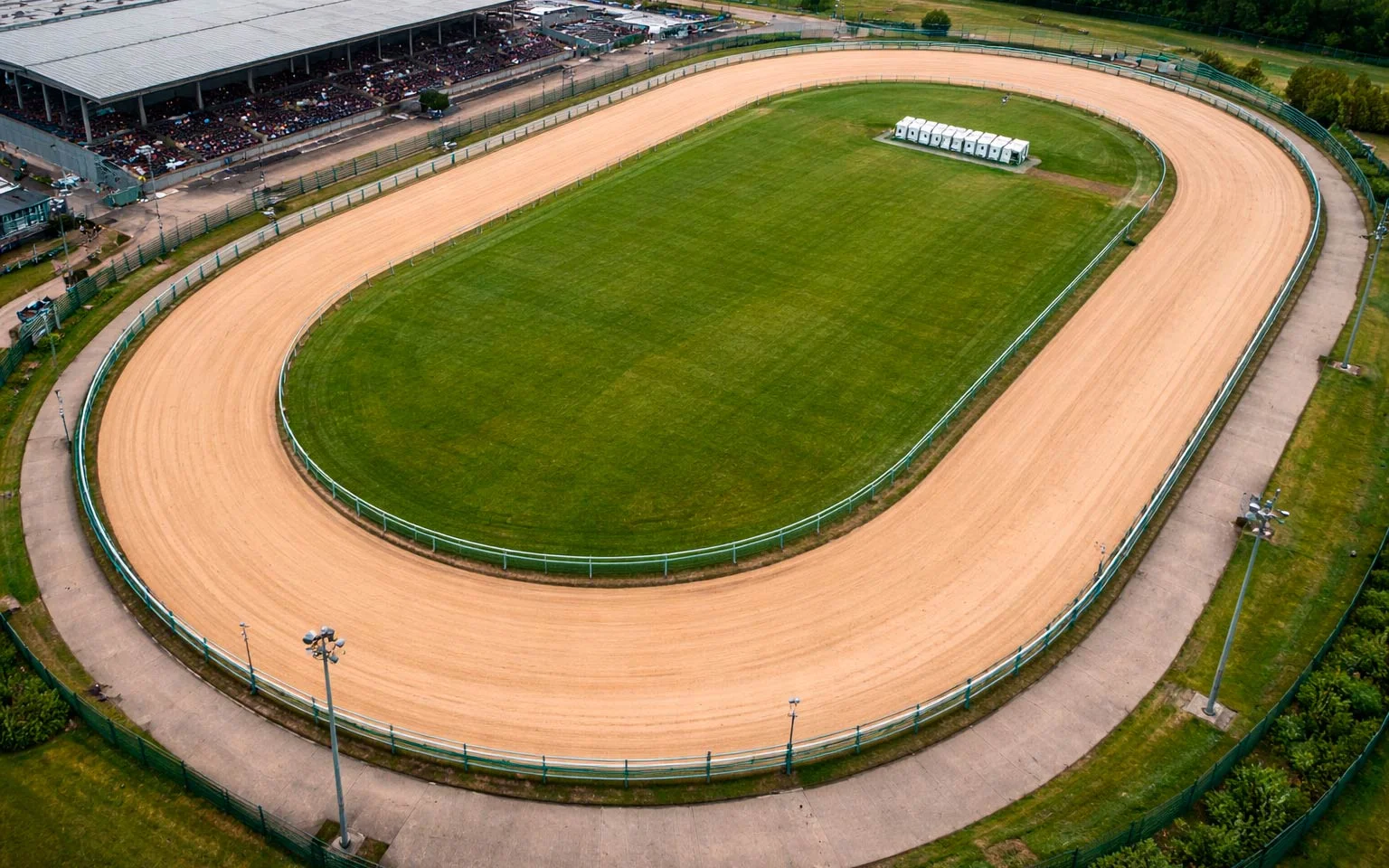
Sheffield offers nine distinct race distances, which is more than most UK tracks and a significant part of what makes Owlerton results analytically interesting. The full range — 280, 362, 480, 500, 660, 720, 800, 915 and 934 metres — covers everything from pure speed tests to genuine endurance races, and the tactical demands shift dramatically as you move up the scale. According to UKDogRacing, the track has a circumference of 425 metres with a run-up distance of 62 metres to the first bend, and these dimensions shape how every race unfolds regardless of distance.
That 62-metre run to the first turn deserves particular attention. It is long enough to give inside-drawn dogs time to establish position before the bend tightens, but short enough that early speed still matters enormously. On a shorter circuit with a 40-metre run-up, the trap draw would be even more decisive; at Sheffield, it is important but not everything, which creates more competitive racing and, from a punter's perspective, more opportunities to find value.
Sprint Distances: 280m and 362m
The 280-metre dash is the shortest race you will find at Owlerton — and in many respects the most unforgiving. There is barely time for a dog to recover from a slow break or a bump at the first bend. Early pace is not just an advantage at this distance; it is close to a prerequisite. The 362-metre sprint adds one more bend and a fraction more time for closing speed to matter, but the race is still overwhelmingly decided in the opening 100 metres. Trap draw carries its heaviest weight at these distances, and form figures that show consistent early positions in running are worth more than raw finishing times.
Standard Distances: 480m and 500m
The 480-metre and 500-metre distances represent the bread and butter of Sheffield racing. The majority of graded races and open events are run over one of these two distances, which means the form database is deepest here. The extra distance gives a dog room to overcome a slightly wide run on the first bend, and it introduces the possibility of genuine pace changes — a fast breaker can still be caught by a strong closer, provided the closer has the tactical nous to hold position through the turns. Most trainers target these distances as the default competitive grade.
Staying Distances: 660m and 720m
Once you move to 660 metres and above, the race becomes a different sport. Dogs need to sustain speed through four or more bends, and stamina begins to outweigh raw acceleration. Trap draw is still a factor — you cannot ignore starting position on any greyhound track — but its influence diminishes relative to the 280-metre sprints. What matters more at these distances is the dog's ability to run bends efficiently without losing ground, and the form figures will often show a wider range of finishing positions from race to race as dogs test their stamina limits.
Marathon Distances: 800m, 915m and 934m
The marathon distances at Owlerton are where you find the specialist stayers. The 915-metre and 934-metre races require dogs to complete more than two full laps of the track, and the physical demands are substantial. Races at these distances appear less frequently on the card, which means the form sample is smaller and the market often less efficient — a detail that experienced Sheffield punters have learned to exploit. The gap between a genuine marathon dog and one that simply gets tired last can be worth several lengths by the final straight.
| Category | Distances | Key Factor | Trap Influence |
|---|---|---|---|
| Sprint | 280m, 362m | Early pace | High |
| Standard | 480m, 500m | All-round form | Medium |
| Staying | 660m, 720m | Stamina and bend running | Medium-Low |
| Marathon | 800m, 915m, 934m | Endurance | Low |
Distance tells you what kind of race to expect. But the starting box adds another variable entirely — and at Sheffield, trap bias has patterns worth knowing about.
Trap Bias at Sheffield: Which Starting Box Wins Most?
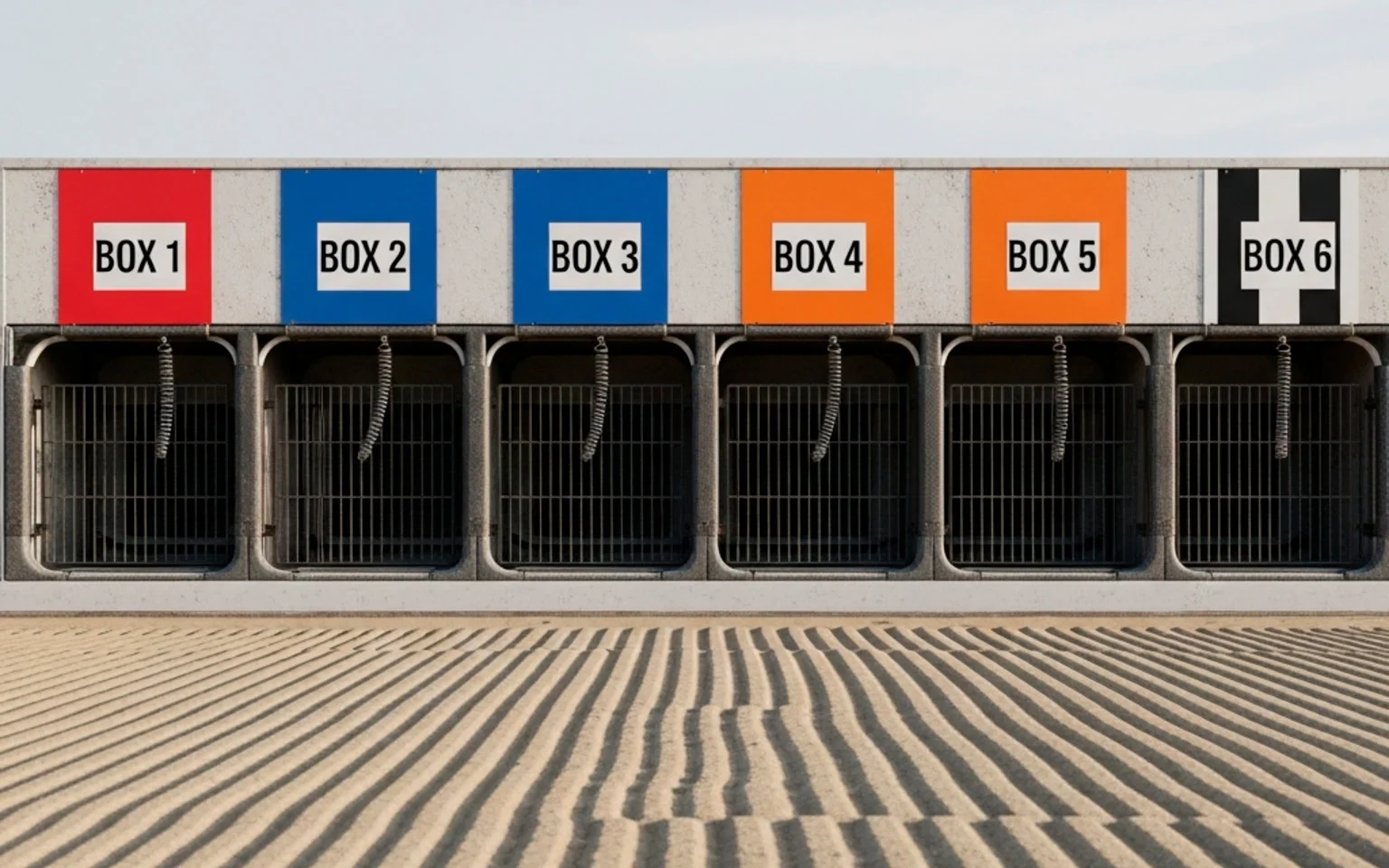
In a perfectly fair six-dog race, each trap would win exactly 16.6% of the time. In reality, no greyhound track in Britain produces that distribution. The question for Sheffield punters is not whether trap bias exists at Owlerton — it does — but how large it is, which distances amplify it, and what conditions cause it to shift. According to analysis published by Oxford Stadium, aggregated UK data shows that Trap 3 holds a slight overall advantage across the national average, but the picture at any individual track can differ substantially from that baseline.
The reasons trap bias exists at all come down to geometry and physics. A greyhound track is an oval with bends, and dogs drawn closer to the inside rail have a shorter path around those bends. On the straights, the advantage vanishes; on the turns, it reasserts itself. At Sheffield, with its 425-metre circumference and 62-metre run to the first bend, the inside draw advantage is moderated by that relatively generous run-up — dogs in wider traps have enough straight-line distance to find racing room before the first turn pinches. That is one reason why Owlerton produces more competitive racing than tracks with shorter run-ups, where inside draws dominate even more heavily.
How Weather Conditions Change Trap Bias
Weather is where the trap picture gets genuinely interesting. According to TheGameHunter, on wet or rain-affected sand tracks, bias shifts measurably toward the inside traps — 1, 2 and 3. The mechanism is straightforward: damp sand offers better grip along the rail, while the outer running line tends to become looser and slower. Dogs drawn wide have to work harder through the turns, and the energy cost of that extra effort compounds over the full race distance.
On sprint distances, this wet-weather bias intensifies. A 280-metre race at Sheffield involves just two bends, and those bends constitute a larger proportion of the total race distance than they would in a 660-metre event. If the inside rail is running faster due to rain, the dog in trap one gets two opportunities to gain ground on the bends — and with fewer straights to compensate, the outside dogs have limited room to fight back. Punters who check the weather forecast before the first race at Owlerton are not being obsessive; they are adjusting for a variable that can shift the win probability of an inside trap by several percentage points.
The Sheffield-Specific Picture
One of the persistent gaps in publicly available greyhound data is a comprehensive, distance-by-distance trap analysis for individual tracks. National aggregates smooth out local quirks, and Sheffield has its own track geometry, sand composition and maintenance schedule that produce trap bias patterns distinct from Monmore or Romford. What makes this resource different is a commitment to presenting Sheffield-specific data where it can be sourced and verified, rather than relying on UK-wide generalisations that may not apply at Owlerton at all.
For practical purposes, the key principles to take away are these: respect the inside draw on sprints, especially in wet conditions; give the outside traps more credit on longer distances where straights allow dogs to recover; and never treat a single trap statistic in isolation from the distance, grade and going conditions of the specific race. Trap bias is one factor among several, and overweighting it is as much of a mistake as ignoring it.
Before placing a bet on any Sheffield race, check both the trap draw and the weather. A dry 500-metre card and a wet 280-metre sprint require completely different assessments of starting position.
Trap bias at Owlerton is real but distance-dependent and weather-sensitive. The theoretical 16.6% baseline is just a starting point — not a conclusion.
Reading the Sheffield Greyhound Form Card
The form card is where every serious Sheffield greyhound bet begins. It is also where most casual punters stop reading after glancing at the odds column. That is a missed opportunity, because the form card contains enough raw information to build a genuine assessment of every dog in a race — you just need to know what each element means and how to weigh them against each other.
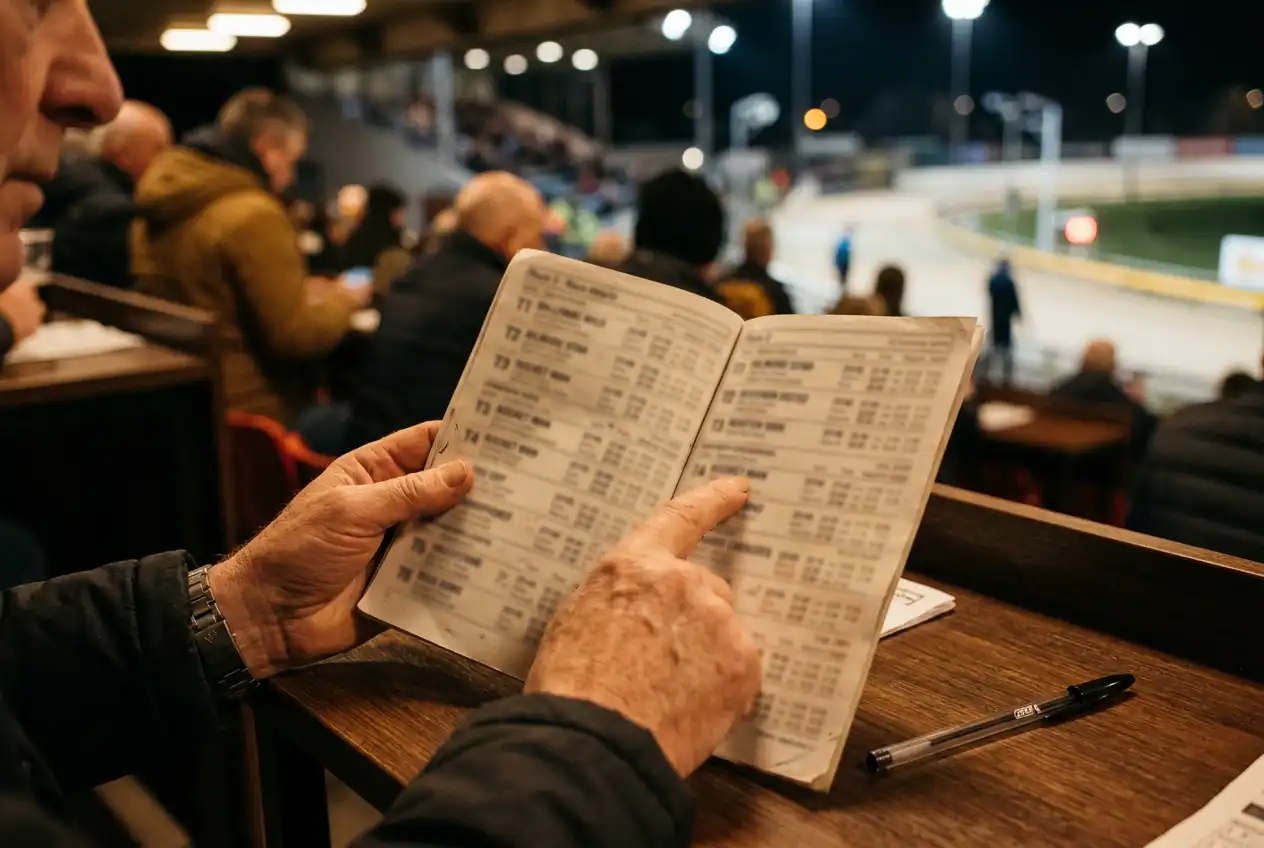
A standard Sheffield greyhound racecard lists each dog's trap number, name, trainer, recent form figures, best time at the distance, comment line and morning or early-show odds. Some cards also include sectional times and positions in running, though the level of detail varies between sources. The most important thing to understand is that no single column wins the argument on its own. A fast best time means nothing if the dog achieved it from trap one on a dry track and is now drawn in trap six on a wet night.
Form Figures: What the Numbers Mean
Greyhound form figures work like finishing positions in a six-runner race. A recent form line reading 2-1-3-4-1 tells you the dog finished second, first, third, fourth and first in its last five starts, reading from left to right with the most recent result on the right. Letters in the sequence carry specific meanings: "m" indicates a middle runner, "W" means the dog ran wide, and "F" denotes a fall. A dash signals no race — the dog was withdrawn or did not compete.
The practical value of form figures lies in the pattern, not the individual digit. A dog showing 1-1-2-1-1 is consistent and likely to be short in the betting. A dog reading 6-1-5-2-6 is erratic — capable of winning but equally capable of finishing last. From a value perspective, the erratic dog is often where the opportunity sits, provided you can identify the conditions under which it performs well. That requires cross-referencing trap draws, distances and going conditions across those runs.
According to data compiled by Life Unexpected, favourites in greyhound racing win approximately 30 to 40 percent of the time, and the top three in the betting produce the winner around 73 percent of the time. Those numbers tell you two things simultaneously: the market gets it right more often than not, and there is a 27 percent window where the market is wrong. The form card is your best tool for identifying races in that 27 percent.
Sectional Times and Running Positions
Sectional times split a race into segments — typically the run to the first bend, the middle section and the run-in — and they reveal something that finishing times alone cannot: how the dog distributed its effort. A dog that posts a fast sectional to the first bend but fades late is an early-pace specialist; one that runs a mediocre first sectional but closes strongly is a come-from-behind type. At Sheffield, with 62 metres to the first turn, the opening sectional has outsized importance because it determines whether a dog secures a clear run or gets caught in traffic on the bend.
Positions in running — usually shown as numbers at specific points during the race — complement the sectionals by telling you where the dog was in the pack. A dog that shows positions of 1-1-1 led throughout; one showing 5-4-2 came from behind. The tactical implications are obvious: a front-runner drawn in trap one on a sprint is in an ideal scenario; the same dog drawn in trap six on a 280-metre race faces a much harder task.
When two dogs have similar recent form, check their sectional times at the same distance. The dog with a faster first-bend sectional from a similar trap draw is often the more reliable selection.
| Form Symbol | Meaning | Implication for Punters |
|---|---|---|
| 1–6 | Finishing position | Lower is better; consistency matters more than a single win |
| m | Middle runner | Dog tends to race in the middle of the track |
| W | Wide runner | Loses ground on bends; consider trap draw carefully |
| F | Fell | Check whether it was interference or a fitness issue |
| - | Did not race | May indicate injury layoff; check comment line |
Sheffield Greyhound Meeting Schedule
Owlerton operates one of the most consistent racing schedules in British greyhound racing. The stadium typically races on Friday and Saturday evenings for open-race fixtures — the kind of meetings that attract on-course spectators, hospitality bookings and a genuine atmosphere — and supplements those with weekday daytime meetings that run under BAGS contracts. BAGS (Bookmakers' Afternoon Greyhound Service) meetings are designed to supply live racing content to betting shops and online platforms, and they form the backbone of Owlerton's weekly output.
The distinction between BAGS and open racing matters more than most casual punters realise. BAGS cards tend to feature lower-grade races, tighter fields and shorter form profiles, because the primary audience is off-course bettors rather than on-track spectators. Open meetings, by contrast, tend to carry stronger graded races, attract higher-quality dogs and generate more on-course betting turnover. The grading of individual races at Sheffield reflects this split: you will find more Grade A and open races on a Friday night than on a Tuesday afternoon.
Seasonality plays a measurable role in attendance and atmosphere. Summer meetings at Owlerton draw significantly larger crowds, with more than 4,000 additional visitors attending during the warmer months and approximately half of those being women, according to GreyhoundBetting. The introduction of Ladies Day — a fixture unique to Sheffield among British greyhound tracks — has contributed to this summer surge. For punters, the practical implication of higher attendance is a livelier on-course betting market, which can affect Starting Price returns relative to exchange or morning prices.
Typical Weekly Schedule:
Friday evening — Open racing (main fixture)
Saturday evening — Open racing
Weekdays — BAGS meetings (daytime, typically 11:00 or 14:00 starts)
Broadcasts: RPGTV (Sky 437) and SIS feeds to licensed bookmakers
Television coverage of Sheffield meetings is provided through RPGTV, available on Sky channel 437, and through SIS feeds distributed to betting shops and online operators. The spring 2026 schedule follows the established pattern, with the Steel City Cup remaining the marquee event on the Owlerton calendar. Punters planning to attend in person should note that evening meetings typically start around 19:00, with the first race off shortly after, and a full card usually contains 12 to 14 races.
Owlerton Track Records by Distance
Track records at Sheffield serve a dual purpose. For the historically minded, they are a timeline of how the sport has evolved — faster dogs, better surfaces, improved training methods all leave their mark on the record books. For punters, they function as a calibration tool: knowing the track record for a distance gives you an anchor point against which to judge any given dog's best time. If the track record for 480 metres is, say, 28.5 seconds and a dog you are assessing has a best of 29.1, you know immediately where that dog sits in the performance hierarchy — competent, but not elite over that trip.
Owlerton's nine distances produce nine separate records, and the variation in how long those records have stood tells you something about the competitive depth at each distance. Sprint records tend to turn over more frequently because the margin between dogs at the sharp end of 280-metre racing is measured in hundredths of a second, and a single exceptional run can rewrite the book. Marathon records at 915 and 934 metres are more durable, partly because fewer dogs contest those distances and partly because sustained speed over two laps of the track requires a rarer combination of stamina and pace.
The Steel City Cup, Sheffield's premier open event, has been running since 1970 and carries a prize fund that reflects its Category One status under GBGB classification. In 2025, the Steel City Cup final was worth £11,500 to the winner, with Romeo Steel taking the title according to GreyhoundNewsUK. That figure may look modest compared to the £175,000 on offer at the English Greyhound Derby, but within the Sheffield context it represents the highest-profile race on the calendar and routinely attracts strong runners from across the country.
Records themselves should always be interpreted with context. A record set on a fast-running summer track may stand for years simply because conditions rarely replicate that combination of dry sand, warm temperatures and a dog in peak form. Conversely, a wet winter meeting will produce slower times even from high-quality dogs. When comparing a dog's time against the track record, factor in the going report from the night the record was set — if that information is available — to avoid drawing misleading conclusions.
Track records are benchmarks, not ceilings. Use them to calibrate your expectations for a given distance, but always weight recent sectional times and going conditions more heavily than raw comparison to a record that may have been set under different circumstances.
Betting on Sheffield Greyhounds: Market Overview
Greyhound betting operates within a gambling market that is substantially larger than many people assume. According to the Gambling Commission's Industry Statistics for FY 2024–2025, the total gross gambling yield of the UK gambling industry reached £16.8 billion, representing a 7.3% year-on-year increase. The online sector — remote casino, betting and bingo — accounted for £7.8 billion of that figure, or roughly 46% of the total market. Greyhound racing feeds into both the retail and online segments, with Sheffield's high fixture volume making it one of the most frequently bet-upon tracks in the country.
The financial engine that supports greyhound racing at the track level is the prize fund, and across the UK that total stands at approximately £15.7 million according to GBGB industry data. Prize money at Sheffield ranges from standard purses for graded BAGS races to the £11,500 on offer at the Steel City Cup final. These purses matter to punters indirectly: higher prize funds attract better dogs, which raises the competitive standard and makes form analysis both more challenging and more rewarding.
How Sheffield Fits Into the Funding Structure
Track funding in British greyhound racing relies heavily on the British Greyhound Racing Fund (BGRF), which collected £6.75 million from voluntary bookmaker contributions in the 2024–2025 financial year, according to the BGRF Annual Report. The current voluntary levy operates at a rate of 0.6% of bookmaker turnover on greyhound racing. That figure, while substantial, has been a source of ongoing debate within the industry — particularly given the contrast with horse racing, which benefits from a statutory levy that bookmakers are legally required to pay.
Mark Moisley of GBGB has argued that the sport needs "more financial support from bookmakers in the way of a compulsory levy to secure the long-term future of greyhound welfare and the sport." That position has gained traction within the industry, and it reflects a tension that Sheffield punters should be aware of: the commercial health of the track you bet on depends partly on policy decisions made in Westminster about how gambling revenues are distributed.
Betting Markets Available at Sheffield
The range of betting markets on a typical Sheffield card in 2026 covers the basics and then some. Win betting is the most straightforward — pick the dog, back it, and collect if it finishes first. Each-way betting adds a place element, typically paying out at a quarter or a fifth of the win odds for a top-two finish in a standard six-runner race. Forecast betting requires you to name the first and second in correct order, while tricast betting extends that to the first three. Reverse forecasts and combination tricasts relax the order requirement, increasing your chances of collecting but reducing the dividend proportionally.
For punters who prefer exchange betting, Betfair provides markets on selected Sheffield meetings — typically the higher-profile evening cards rather than midweek BAGS fixtures. The Betfair Starting Price (BSP) offers an alternative to the traditional Starting Price (SP) set by on-course bookmakers, and on Sheffield's bigger meetings the exchange market can be liquid enough to deliver meaningful price differences. The question of SP versus BSP is explored in depth elsewhere in this series, but the short version is that BSP tends to offer better value on longer-priced dogs, while SP remains competitive on short-priced favourites where exchange commission erodes the edge.
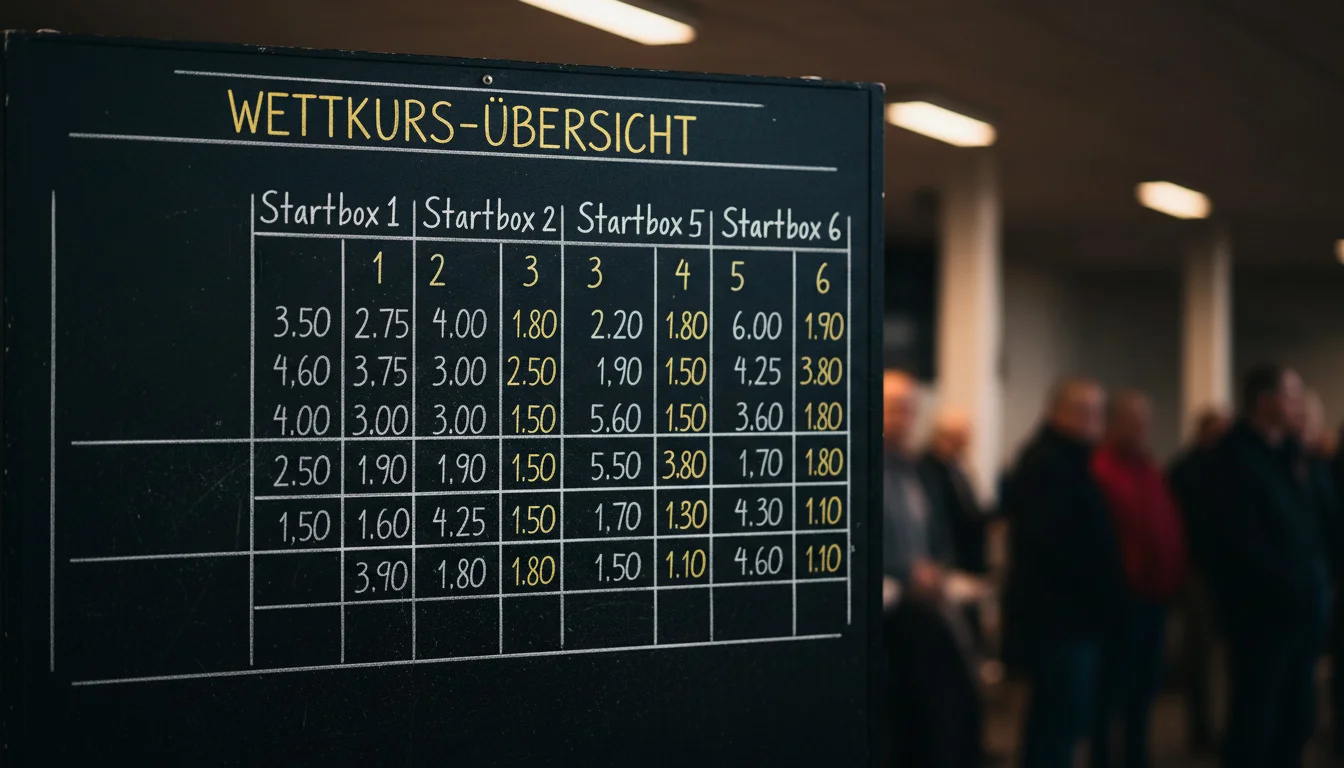
Sheffield's position as a high-volume BAGS track means there is betting content virtually every day of the week. The depth of that market creates opportunities, but it also demands discipline — more races does not mean more good bets.
Owlerton Stadium Timeline: 1929 to Present
The story of Owlerton Stadium begins in 1929, when construction started on a sporting venue on Penistone Road in Sheffield. The stadium was not the first greyhound track in the city — Sheffield already had a flirtation with the sport at other venues — but Owlerton was purpose-built initially for speedway, staging its first meeting on 30 March 1929 before being adapted for greyhound racing. Three years later, on 12 January 1932, the stadium officially opened for greyhound racing. According to GreyhoundRacingHistory, 10,000 spectators turned up for the opening night, and the first race was won by a dog named Carbrook Ted at odds of 3/1 over 525 yards in 33.63 seconds.
Ten thousand people watching dogs chase a mechanical hare in 1932 Sheffield is a number worth pausing over. The city was deep in the industrial heartland of northern England, the working week was long, and affordable evening entertainment was in short supply. Greyhound racing offered exactly what the audience wanted: excitement, a social occasion and a reason to have an opinion about something other than work. That cultural function has not entirely disappeared. Owlerton still serves as a gathering point for a community that shares a particular kind of enthusiasm, even if the specifics of the evening have changed.
The middle decades of the twentieth century saw Owlerton settle into its role as one of the north of England's principal racing stadiums. The Steel City Cup was inaugurated in 1970, establishing Sheffield's premier open race and giving the track a fixture that carried national significance within the greyhound world. The event has run continuously since then, evolving in format and prize money but retaining its position as the flagship race on the Owlerton calendar.
Carbrook Ted, the winner of the very first race at Owlerton in 1932, ran the 525-yard course in 33.63 seconds — a time that would not trouble even a moderate modern greyhound, illustrating just how far the breed's athletic performance has advanced over nine decades.
In 1991, a Sheffield-based leisure group acquired the stadium and invested £3 million in a comprehensive renovation. That investment modernised the facilities, improved the spectator areas and brought the track infrastructure up to contemporary standards. It was, in hindsight, a turning point: without that renovation, Owlerton might have followed the path of so many other UK greyhound stadiums that closed during the 1990s and 2000s as land values rose and audiences shifted.
More recent history has seen Owlerton navigate the challenges facing the wider greyhound industry — the closure of competing tracks, the consolidation of BAGS contracts, and the increasing scrutiny of animal welfare standards. Mark Bird, Chief Executive of GBGB, has noted that the sector's welfare data shows meaningful progress, with initiatives introduced in recent years now embedded and producing results across all measures. For Owlerton specifically, the stadium's survival and continued activity through nearly a century of social and economic change speaks to a resilience that goes beyond commercial calculation. It is a venue that matters to Sheffield, and Sheffield has repaid that by continuing to show up.
Welfare and Rehoming: Life After Racing at Sheffield
No honest discussion of greyhound racing results can ignore what happens to the dogs after the results stop mattering. The welfare question has hung over British greyhound racing for decades, and it would be disingenuous to pretend that the sport's historical record is spotless. What can be said, with data to support it, is that the trajectory has improved substantially — and the numbers from 2024 represent the strongest welfare position the industry has ever recorded.
According to the GBGB's Injury and Retirement Data for 2024, there were 3,809 injuries recorded across 355,682 individual race runs on licensed tracks — an injury rate of 1.07%, which is the lowest on record. The fatality rate has halved over four years, falling from 0.06% in 2020 to 0.03% in 2024. To put that in context, three greyhounds out of every ten thousand race runs resulted in a fatality. Those are not perfect numbers — any fatality is one too many, and the sport's critics are right to maintain pressure — but they represent a direction of travel that is unambiguously positive.
The retirement picture has seen even more dramatic improvement. In 2024, 94% of greyhounds leaving racing — 5,795 dogs — were successfully rehomed or retired to their owners, compared to 88% in 2018. Perhaps the starkest comparison: just three greyhounds were euthanised for economic reasons in 2024, down from 175 in 2018. That is not a marginal change; it is a fundamental shift in how the industry handles dogs that are no longer competitive.
Interactive Tool
Total Leaving Racing, and Steel City Cup vs Derby
Back-calculate the total number of greyhounds leaving racing from the retirement rate, and compare Sheffield's flagship prize to the national Derby.
Total Greyhounds Leaving Racing
-
-
Successfully Retired
-
Retirement Rate
-
Remainder
-
What this guide gives as a count and a rate without the total: "In 2024, 94% of greyhounds leaving racing — 5,795 dogs — were successfully rehomed or retired." The total number leaving racing that year is never calculated — it's roughly 6,165, meaning around 370 fall outside that successful-retirement figure.
Steel City Cup as % of Derby
-
-
Steel City Cup
-
Greyhound Derby
-
Derby Multiple
-
What this guide states qualitatively without the number: "the Steel City Cup final was worth £11,500 to the winner... that figure may look modest compared to the £175,000 on offer at the English Greyhound Derby." The exact ratio is never calculated — it's 6.6%, meaning the Derby is worth 15.2x the Steel City Cup.
The Greyhound Retirement Scheme
The mechanism driving much of this improvement is the Greyhound Retirement Scheme (GRS), launched in 2020 under the GBGB's welfare strategy. The scheme requires a bond of £420 for every greyhound registered for racing — increased from £400 in 2025 — and channels those funds into a network of over 100 accredited rehoming centres across the country. According to Keep Welfare on Track, the GRS has distributed more than £5.6 million since its launch and supported the rehoming of over 12,500 greyhounds.
The results of that investment are visible in the adoption figures. Greyhound adoptions from GRS-accredited centres grew by 37% in the first half of 2025 compared to the same period in 2024, driven in part by the GBGB's "Share Your Life With A Greyhound" campaign. For anyone in the Sheffield area considering adopting a retired racer, the infrastructure is more developed than it has ever been, with multiple rehoming organisations operating within reasonable distance of Owlerton.

Jeremy Cooper, Chairman of GBGB and former Chief Executive of the RSPCA, described the organisation's welfare strategy as "one of the most in-depth and comprehensive strategies for working animal welfare that has ever been produced in this country." That is a bold claim, and it carries weight precisely because Cooper's background means he has seen animal welfare efforts across multiple sectors. The strategy's October 2025 progress report noted that routine visits to licensed trainers' kennels had increased by 73.2% since the strategy launched, with each trainer receiving an average of three visits in 2024.
The welfare data does not absolve the sport of its historical failings, but the 2024 figures — 1.07% injury rate, 94% successful retirement, three economic euthanasias — mark the strongest welfare position in the history of British greyhound racing. For Sheffield punters, knowing this context matters: the sport you are betting on is measurably safer and more accountable than it was even five years ago.
Frequently Asked Questions About Sheffield Greyhound Results
Where can I find today's Sheffield greyhound results?
The fastest way to check Sheffield greyhound results on any given race day is through the live feeds provided by SIS (Satellite Information Services) and RPGTV, which is available on Sky channel 437. Most licensed online bookmakers — including Bet365, William Hill, Paddy Power and Betfair — publish Owlerton results within seconds of each race finishing, and their results pages typically include finishing positions, winning times and Starting Prices. Dedicated greyhound sites such as Sporting Life, Racing Post and Timeform also carry full Sheffield results with additional data including sectional times and form updates. If you are at the track, results are displayed on the stadium screens immediately after the judge's decision. For historical results and form study, the GBGB's own database and independent archives are the most comprehensive sources.
What distances are raced at Sheffield and what are the track records?
Owlerton Stadium offers nine race distances: 280, 362, 480, 500, 660, 720, 800, 915 and 934 metres. These range from pure sprint tests at 280m, where early pace and trap draw dominate, through to genuine marathon events at 915m and 934m that demand sustained stamina over more than two laps of the 425-metre circuit. The 480m and 500m distances are the most commonly raced and carry the deepest form databases. Track records vary by distance and are updated when a new fastest time is officially ratified by the GBGB. Historical track record data for Owlerton is maintained by GreyhoundRacingHistory and through the GBGB's official records. The Steel City Cup, Sheffield's premier race, is contested over 500 metres.
Which trap wins most at Sheffield?
There is no single trap that wins most at Sheffield across all conditions and distances. The theoretical win rate for each of the six traps is 16.6%, and while national data suggests Trap 3 has a marginal overall advantage across UK tracks, the bias at Owlerton specifically depends on the distance being raced and the track conditions on the night. On sprint distances — particularly 280 metres — inside traps (1, 2 and 3) tend to perform above average because the shorter race gives wide-drawn dogs less time to recover ground lost on the bends. In wet conditions, this inside bias intensifies further as damp sand grips better along the rail. On staying and marathon distances, the trap draw influence diminishes and overall form becomes more predictive than starting position.