
Adopting a Retired Greyhound in Sheffield: A Practical Step-by-Step Guide
Best Greyhound Betting Sites – Bet on Greyhounds in 2026
 Available in US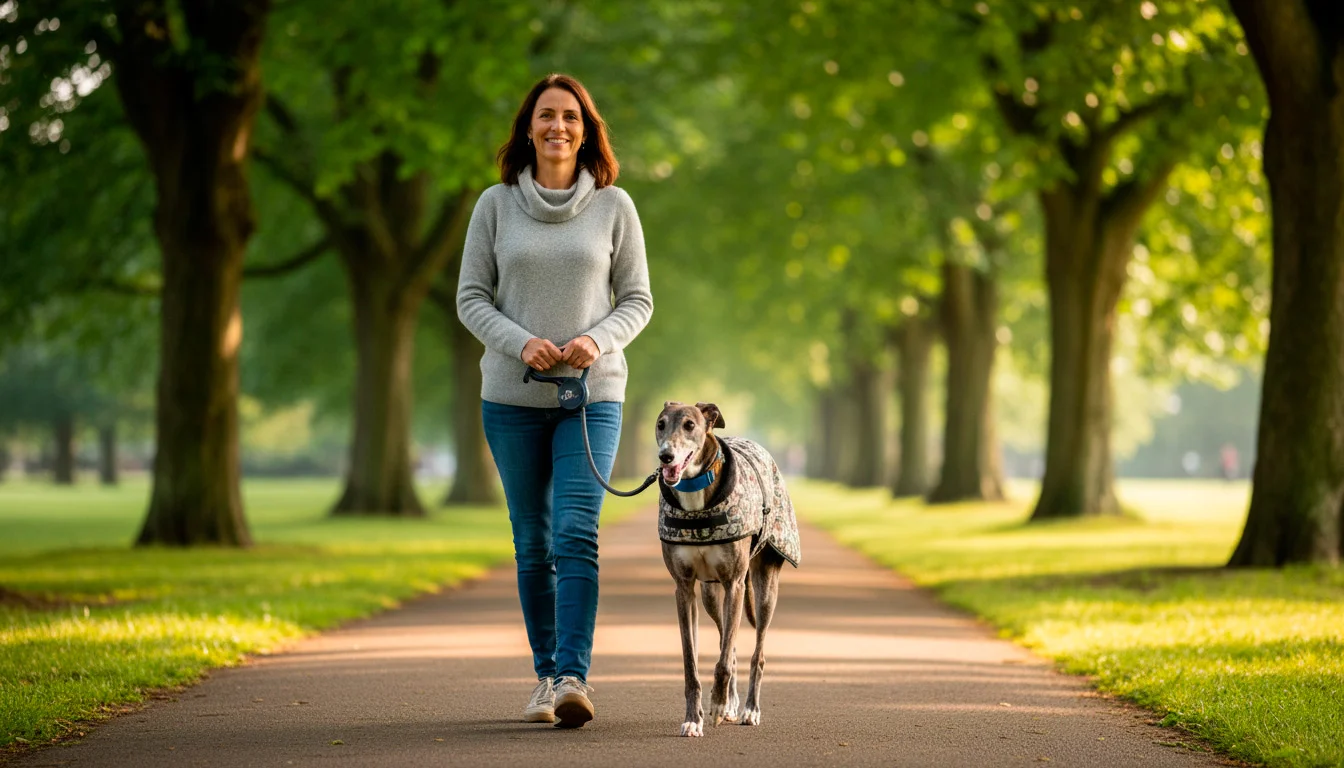
Adopting a retired greyhound in Sheffield starts with a straightforward fact: these dogs need homes. In 2024, 94 per cent of greyhounds leaving GBGB-licensed racing were successfully retired into new lives — a figure that has improved steadily since 2018, when the rate was 88 per cent. Behind those percentages are individual dogs — each one a former athlete with a personality, a history and a need for a sofa to claim as its own.
Sheffield is well served by rehoming infrastructure. The city sits within reach of several organisations that specialise in placing retired racers with families, and the process of adopting is more accessible than many people assume. What follows is a practical guide to how it works, from finding the right centre to navigating the first few weeks with a dog that has spent its life in a kennel environment and is about to discover the peculiar joys of domestic living.
Adopting a Retired Greyhound in Sheffield — More on this topic at sheffield greyhound results.
Rehoming Centres and Groups Serving Sheffield
The primary local organisation for greyhound rehoming in the Sheffield area is Sheffield Retired Greyhounds, which works in partnership with Owlerton Stadium to place dogs that have completed their racing careers at the track. The group operates as part of the broader network of GRS-accredited centres that receive funding through the GBGB’s Greyhound Retirement Scheme, ensuring that the costs of veterinary preparation and transitional care are covered rather than falling on the adopter.
Beyond Sheffield-specific organisations, several national and regional charities operate rehoming centres within reasonable travelling distance of the city. The Retired Greyhound Trust, one of the largest greyhound rehoming charities in Britain, has branches across Yorkshire and the East Midlands. Greyhound Rescue Wales, despite the name, also places dogs in the north of England. And independent rescues, some specialising exclusively in greyhounds and lurchers, frequently have dogs available for adoption in the South Yorkshire area.
The growth in adoption rates has been notable. In the first half of 2025, adoptions from GRS-accredited centres rose by 37 per cent compared to the same period the previous year, driven partly by increased public awareness and partly by the professionalisation of the adoption process itself. More centres now maintain active social media presences, post profiles of available dogs, and facilitate initial contact through online enquiry forms rather than requiring a phone call or in-person visit as the first step.
Choosing a centre is partly practical — proximity, availability of the right dog — and partly personal. Some adopters prefer a centre that handles the entire process end-to-end, from matching to home check to post-adoption support. Others prefer a more informal arrangement through a local group where they can visit dogs, meet the volunteers and get a sense of the organisation before committing. Both approaches lead to the same outcome: a greyhound on your sofa.
From Application to Collection: The Adoption Journey
The adoption process at most GRS-accredited centres follows a standard sequence. It begins with an application, usually an online form that asks about your household, your living situation, your experience with dogs and your expectations. This is not a test — there are no trick questions — but it gives the centre the information it needs to match you with an appropriate dog. A family with young children might be matched differently from a retired couple or a single person working from home.
After the application, most centres conduct a home check. A volunteer visits your property to assess the space, check the garden is securely fenced (greyhounds are sighthounds with a strong chase instinct, so a secure outdoor area is essential), and discuss any practical considerations specific to your setup. The home check is also an opportunity to ask questions — about feeding, exercise, house training and the specific needs of the dog you are considering.
Once the home check is approved, the matching process begins. Good centres do not operate on a first-come-first-served basis. They aim to place each dog with the family that best suits its temperament and needs. A dog that is confident and sociable might suit a busy household; a dog that is nervous or sensitive might do better in a quieter home. The centre’s knowledge of each dog’s character — built from weeks or months of observation in the rehoming environment — is invaluable at this stage.
Collection day involves signing adoption paperwork, receiving the dog’s medical records and vaccination history, and often a supply of the food the dog has been eating in the centre. Most centres provide a settling-in guide and a contact number for post-adoption support. The fee varies between organisations but is generally modest — typically between £100 and £250 — and covers neutering, vaccinations, microchipping and dental work that has been carried out during the dog’s time in the centre.
Bringing a Greyhound Home: First Weeks and Adjustments
The first few weeks with a retired greyhound are a period of mutual adjustment. The dog has spent its life in a kennel environment — structured, routine-driven, surrounded by other dogs — and your home is an entirely new world. Stairs, glass doors, mirrors, televisions, vacuum cleaners and kitchen floors can all be sources of confusion or anxiety for a dog that has simply never encountered them before. Patience is the single most important resource during this period.
House training is often the first concern for new adopters, and the good news is that most retired greyhounds are remarkably quick to learn. Kennel dogs are accustomed to keeping their sleeping area clean, which means the basic instinct is already in place. What they lack is an understanding of the schedule — when they will be let out, where they should go, what the cues are. Establishing a routine of regular garden visits, particularly after meals and first thing in the morning, produces results within days for most dogs. Accidents happen, especially in the first week, but they resolve quickly with consistency.
Exercise requirements are lower than most people expect. Greyhounds are sprinters, not endurance athletes. Two twenty-minute walks per day is typically sufficient for a retired racer, and many are content with less. Between walks, they sleep — a lot. The breed’s reputation as the fastest couch potato in the canine world is well earned. A greyhound that has had a walk in the morning will spend the rest of the day draped across whatever soft surface it can find, stirring mainly for meals and the occasional stretch.
Lead training may be necessary. Some retired racers have never walked on a lead in a domestic setting — they have been led from kennel to track and back again, but the concept of a calm walk through a park alongside a human is new. Pulling is common in the early days, and a harness rather than a collar is recommended because greyhounds have thin necks and delicate throats. Muzzle use outdoors is often advised during the settling-in period, particularly if the dog’s prey drive has not yet been assessed in a non-racing context.
What Retired Racers Are Really Like as Pets
The best-kept secret in the dog world is that retired greyhounds are phenomenally easy pets. They are quiet — most rarely bark. They are clean — kennel life has given them fastidious habits. They are affectionate but not demanding — they enjoy company but do not follow you from room to room in a state of anxious dependency. And they are gentle with people to a degree that surprises first-time owners, given their size and athletic build.
The temperament of a retired racer is shaped by its upbringing. These are dogs that have been handled by humans daily since puppyhood, that have lived in close proximity to other dogs, and that have been trained to respond to routine. The result is a dog that is typically sociable, adaptable and calm in a domestic setting. There are exceptions — some retired racers are anxious, some have separation issues, some have a prey drive that makes them unsuitable for homes with cats or small animals — but the breed as a whole trends towards docility and companionship.
For Sheffield residents considering adoption, the practical advantages are significant. Greyhounds do not require a large house or a massive garden. They are well suited to apartment living provided they get their daily walks. They are low-shedding compared to many breeds of similar size. And they are available locally, in consistent supply, through organisations that have the experience and infrastructure to match the right dog with the right home. The hardest part of adopting a retired greyhound is not the process — it is accepting that you will probably never sit on your own sofa again.