GBGB Injury and Safety Data: Greyhound Racing's Track Record From 2018 to 2024
Best Greyhound Betting Sites – Bet on Greyhounds in 2026
Loading...
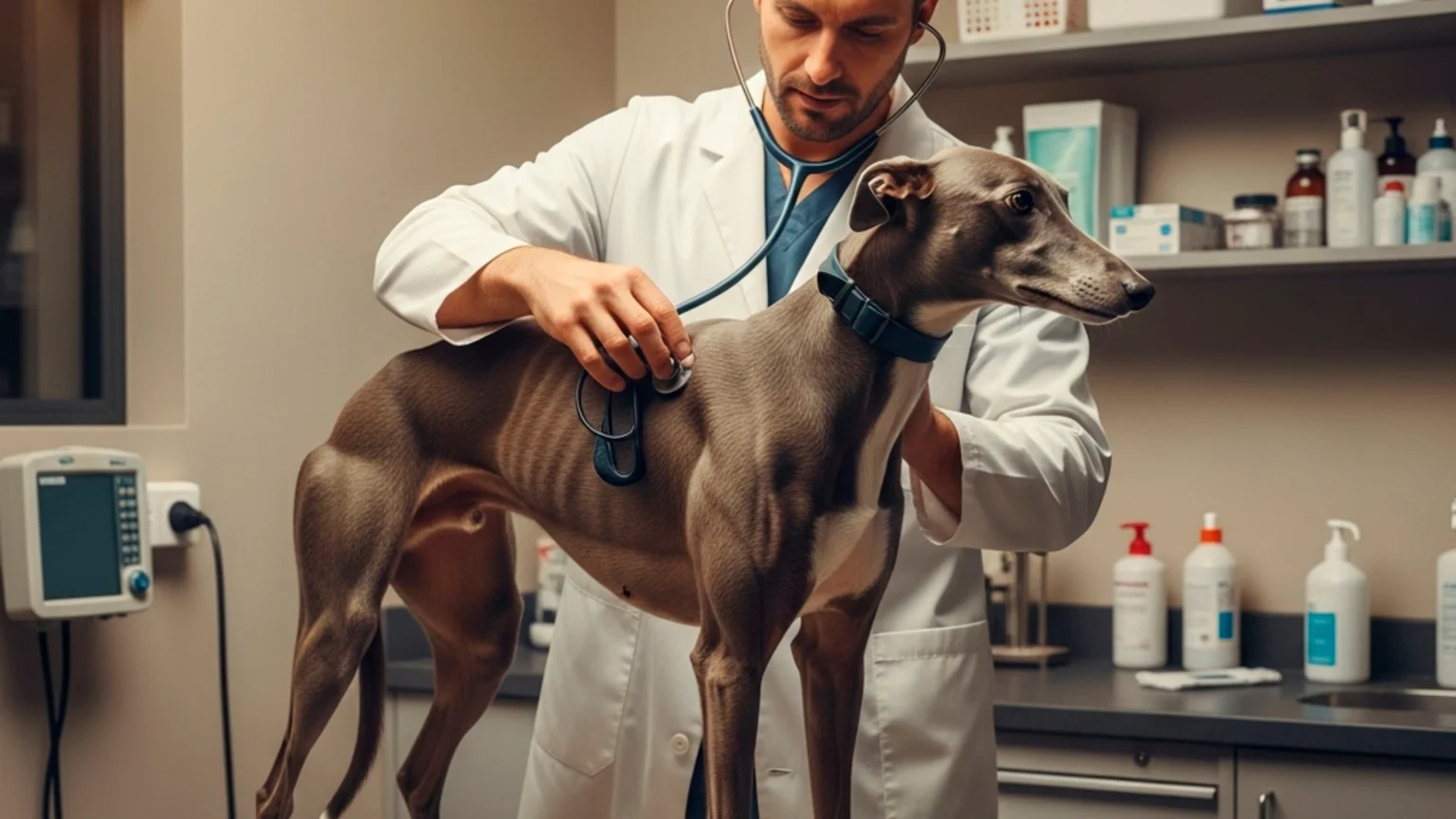
GBGB injury data is the most granular public record of what happens to greyhounds on Britain’s licensed racing tracks. Since 2018 the governing body has published annual figures covering injuries, fatalities and retirement outcomes across all GBGB stadiums, creating a dataset that allows year-on-year comparison and, more importantly, reveals whether the industry’s welfare initiatives are producing measurable results. The numbers are not abstract — they represent real dogs on real tracks, including Owlerton, and they are the basis on which both supporters and critics of the sport assess its safety record.
What the data shows is a clear downward trend in both injury rates and fatality rates over the period. Whether that trend is sufficient to satisfy the sport’s critics is a separate question, and one that depends on where you draw the line between acceptable and unacceptable risk. This article presents the figures, explains what they measure, and gives both the industry’s interpretation and the counterarguments equal space.
Injury Rate Decline: From 2018 Baseline to 1.07% in 2024
The GBGB’s most recent data release covers the 2024 calendar year and records 3,809 injuries from 355,682 individual race runs — an injury rate of 1.07 per cent. That figure represents a record low for the published dataset, which begins in 2018. To put the number in concrete terms, it means that roughly one in every 93 race runs results in an injury of some kind, ranging from minor muscle strains that heal within days to more serious orthopaedic injuries that require veterinary intervention and may end a racing career.
The 2018 baseline, which the GBGB uses as its reference point, recorded a higher injury rate that has been driven down through a combination of improved track safety standards, better veterinary protocols at stadiums, and regulatory changes to kennel management. GBGB Chief Executive Mark Bird noted that the initiatives introduced in recent years are now embedded across the sport and are consolidating the progress made since 2018 across all measures. The trend has been broadly consistent — each year’s figure has been lower than or equal to the previous year’s, which suggests the improvement is structural rather than a one-year anomaly.
The injury classification system used by the GBGB categorises incidents by severity and type. Not all injuries are equal, and the headline rate of 1.07 per cent includes everything from temporary lameness to fractures. The proportion of serious injuries — those requiring surgery or resulting in a dog being withdrawn from racing permanently — is significantly lower than the overall rate. This distinction matters for a fair reading of the data, because a 1.07 per cent injury rate that is dominated by minor, recoverable injuries tells a different story from one dominated by career-ending damage.
Track-specific data is not routinely published at the level of individual stadiums, so it is not possible to isolate Sheffield’s injury figures from the national dataset. However, Owlerton operates under the same GBGB safety standards as every other licensed track, and the improvements reflected in the national figures apply to Sheffield’s racing programme. The track’s sand surface, its veterinary provision and its racing management all operate within the regulatory framework that has produced the industry-wide decline.
Fatality Figures: Halved Over Five Years
The fatality rate in GBGB-licensed racing stood at 0.03 per cent in 2024, down from 0.06 per cent in 2020. The halving of this figure over a five-year period is the single most significant statistic in the safety dataset, because fatalities are the metric that generates the strongest public reaction and the sharpest criticism of the sport. A fatality rate of 0.03 per cent means that approximately three dogs in every ten thousand race runs die as a result of on-track incidents — a figure that the industry presents as evidence of progress and that critics argue is still too high for a sport conducted for entertainment and gambling.
The reduction in fatalities reflects improvements in several areas. On-track veterinary response has been upgraded, with qualified veterinary surgeons required to be present at every meeting and emergency treatment protocols standardised across all GBGB venues. Track design and maintenance have been addressed, with surface preparation, rail padding and bend geometry all subject to tighter regulation than in previous eras. And the grading system itself has been refined to reduce the frequency of mismatches that produce the kind of high-speed incidents most likely to result in serious injury or death.
The absolute numbers add context. In 2024, the number of greyhounds euthanised for economic reasons — meaning the owner or trainer chose not to fund treatment for a recoverable injury — fell to three. In 2018, that figure was 175. The collapse in economic euthanasia is one of the clearest indicators that the culture around injury management has changed fundamentally. The introduction of the Injury Recovery Scheme, which provides financial support for veterinary treatment of career-ending orthopaedic injuries, has removed the economic incentive to euthanise rather than treat.
The Injury Recovery Scheme: £1.5 Million in Veterinary Support
The Injury Recovery Scheme sits alongside the Greyhound Retirement Scheme as one of the two main financial welfare mechanisms in GBGB-licensed racing. Since its launch in December 2018, the IRS has distributed nearly £1.5 million in veterinary funding for greyhounds that sustain serious orthopaedic injuries during their racing careers.
The scheme works by providing financial support directly for surgical and post-operative care. When a greyhound suffers a fracture or other serious orthopaedic injury on a GBGB track, the IRS can fund the veterinary treatment that gives the dog the best chance of recovery and a comfortable retirement. Before the scheme existed, the cost of surgery — which can run to several thousand pounds for complex fractures — fell entirely on the owner or trainer, and the financial calculus often favoured euthanasia over treatment. The IRS removes that calculation from the equation.
The £1.5 million distributed over roughly six years represents an average of approximately £250,000 per year in veterinary support. This funding has directly contributed to the collapse in economic euthanasia figures, because dogs that would previously have been put down on cost grounds are now treated, rehabilitated and retired into the rehoming system. The scheme does not cover every injury — minor strains and sprains are managed through standard kennel veterinary care — but it targets the serious cases where the financial barrier to treatment was historically highest.
How Critics View the Data
The GBGB’s injury and safety data does not exist in a vacuum. Animal welfare organisations, most notably the RSPCA, have challenged the industry’s interpretation of its own figures and argued that the data, while showing improvement, does not address fundamental concerns about the sport. Dr Sam Gaines, the RSPCA’s Head of Companion Animals, has stated that greyhounds racing at high speed around an oval track face an inherent risk of predictable and avoidable injury, and that the data reflects improvement within a system that remains, in the RSPCA’s view, structurally problematic.
The criticism centres on several points. First, that any non-zero injury and fatality rate in a commercial sporting activity conducted primarily for gambling revenue raises ethical questions that cannot be resolved by reducing the numbers — only by eliminating the activity. Second, that the published data may undercount certain types of harm, particularly injuries sustained in training, trialling and kennelling that occur away from the licensed track environment. Third, that the retirement statistics, while improved, still leave a gap between the number of dogs entering racing and the number confirmed as successfully rehomed.
The industry’s response is that the data shows genuine, measurable progress; that the welfare strategy is comprehensive and independently assessed; and that the comparison should be made not against a theoretical zero-risk ideal but against historical performance and realistic benchmarks. Both perspectives deserve consideration. The data is transparent, the trend is downward, and the debate about whether that is enough is ultimately a question of values rather than numbers.