History of Owlerton Stadium: Sheffield Greyhound Racing Since 1929
Best Greyhound Betting Sites – Bet on Greyhounds in 2026
Loading...
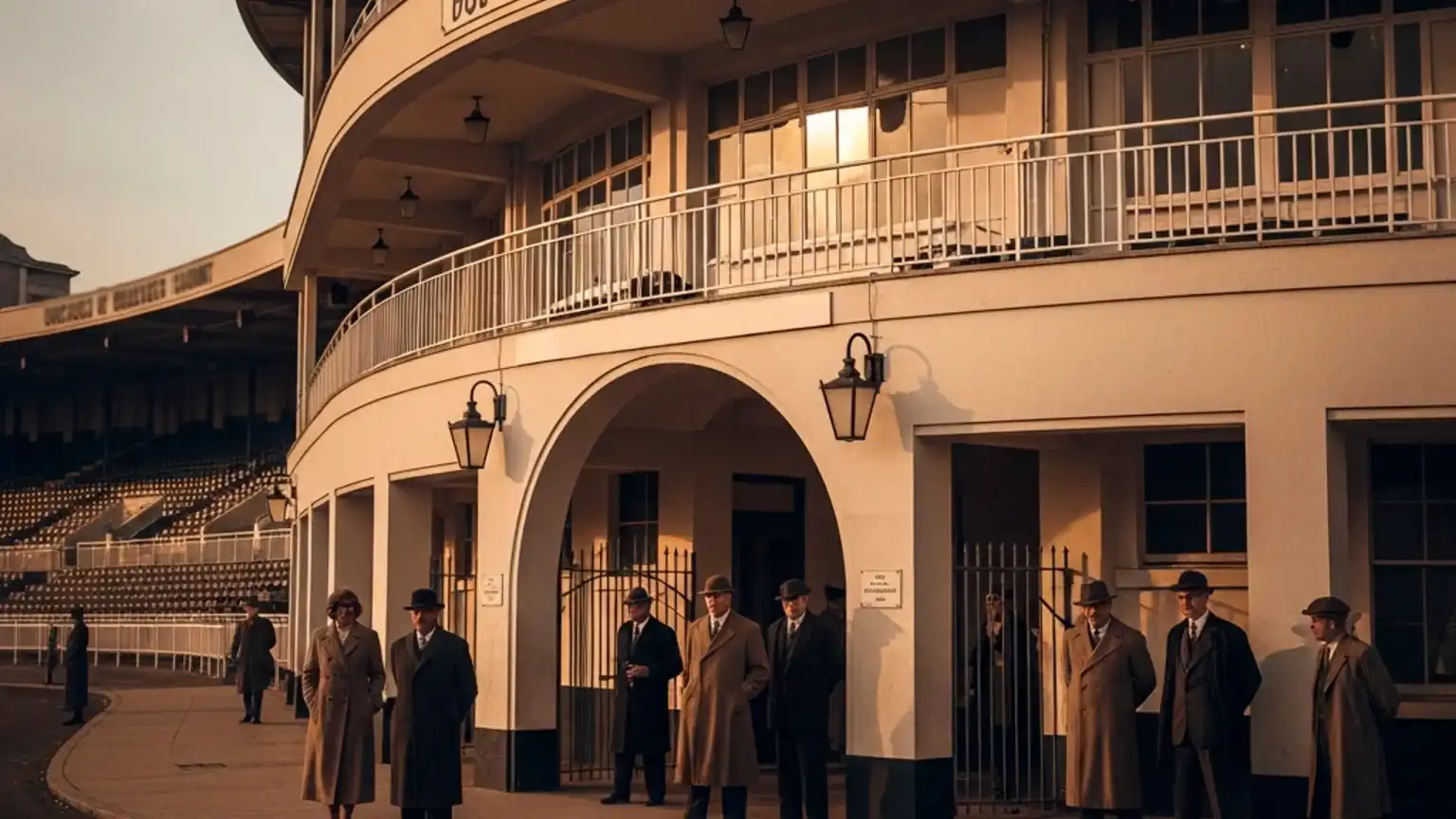
Owlerton Stadium history stretches back nearly a century, to a time when greyhound racing was sweeping through industrial Britain like wildfire. The stadium sits on Penistone Road in the Owlerton district of Sheffield, and its story is inseparable from the city that surrounds it — a place built on steel, shaped by two world wars, and sustained by a stubborn attachment to its sporting traditions. Other tracks have come and gone. Owlerton has endured.
What follows is not a list of dates. It is the story of a stadium that opened to ten thousand people in the depths of an economic depression, survived the Blitz, weathered decades of decline in British greyhound racing, and emerged into the twenty-first century still hosting racing several nights a week. The building has changed. The dogs have changed. The way people bet has changed beyond recognition. But the essential character of Owlerton — a working stadium in a working city — has remained remarkably constant since the first greyhound left the traps in 1932.
1929–1945: Construction, Opening Night and Wartime
The origins of Owlerton Stadium lie in the greyhound racing boom that gripped Britain in the late 1920s. The sport had arrived from the United States in 1926, with the first official meeting held at Belle Vue in Manchester, and within three years tracks were being built across the country at extraordinary speed. Sheffield, a city of half a million people with a deep-rooted appetite for spectator sport, was a natural candidate. Construction on the Penistone Road site began in 1929, and the stadium was designed to accommodate both greyhound racing and speedway, a dual-purpose arrangement that would define the venue for decades to come.
The official opening of greyhound racing at Owlerton took place on 12 January 1932. The first race was won by a dog named Carbrook Ted, who started at odds of 3/1 and covered 525 yards in 33.63 seconds. What is more striking than the result, though, is the crowd. Ten thousand people turned out for opening night — a remarkable figure for a midweek event during the Great Depression, and a testament to how quickly greyhound racing had embedded itself in the leisure habits of working-class Britain. The stadium was not yet finished in every detail, but the demand was there, and racing became a regular fixture almost immediately.
Through the 1930s, Owlerton established itself as one of the premier tracks in the north of England. Sheffield’s steel industry was the backbone of the local economy, and the stadium drew its core audience from the factories and workshops that surrounded it. Racing nights were social occasions — affordable, accessible and rooted in the rhythms of the working week. The tote was the primary betting mechanism in those early years, with on-course bookmakers adding a layer of competition that gave the stadium its distinctive atmosphere.
The Second World War disrupted racing across Britain, but Owlerton — unlike some tracks that were requisitioned for military use — managed to continue hosting meetings throughout the conflict, albeit on a reduced schedule. The stadium suffered no direct bomb damage during the Sheffield Blitz of December 1940, which devastated large parts of the city centre. Racing during wartime served a dual purpose: it provided entertainment for a population under enormous stress, and it generated revenue through betting that contributed, in a small way, to the wartime economy. By 1945, when the war ended, Owlerton had established a continuity that many of its rivals could not claim.
1950s–1980s: Growth, Steel City Cup and Sheffield Culture
The post-war decades brought greyhound racing to its zenith in Britain, and Owlerton rode the wave. Attendance figures across all UK tracks peaked in 1946 at over 34 million, and although the numbers gradually declined from that extraordinary high point, the sport remained a fixture of British urban life well into the 1970s. At Sheffield, the stadium benefited from its dual identity — speedway and greyhounds sharing the same venue, each drawing crowds that spilled over into the other sport. The Sheffield Tigers speedway team became one of the best-known names in British speedway, and their presence ensured that Owlerton was in use almost year-round.
The most significant development of this era was the creation of the Steel City Cup in 1970. The competition gave Owlerton its own flagship event — a race that belonged specifically to Sheffield and carried the city’s identity in its name. The Cup quickly established itself as one of the most prestigious greyhound races in the north of England, attracting top-class entries and generating the kind of local excitement that regular graded meetings could not match. It gave Sheffield punters a reason to mark a date on the calendar and plan their year around it.
Through the 1960s and 1970s, Owlerton was woven into the fabric of Sheffield life in a way that is difficult to overstate from a modern perspective. Greyhound racing was not a niche interest; it was mainstream entertainment. Families attended. Works outings were organised around race nights. The stadium was a place where the social hierarchy of Sheffield — steel workers, publicans, small business owners, the occasional well-heeled punter — mixed in a way that few other venues allowed. The decline began in the 1980s, as television, changing leisure habits and the rise of alternative forms of gambling slowly eroded the sport’s mass audience. But Owlerton’s roots in the community were deep enough to sustain it through the lean years that followed.
1991–Present: Renovation, ARC and the Digital Age
By the late 1980s, Owlerton was showing its age. The infrastructure that had served since the 1930s was outdated, the facilities were tired, and the stadium needed significant investment to remain viable as a commercial venue. That investment arrived in 1991, when a Sheffield-based leisure group acquired the stadium and committed £3 million to a comprehensive renovation. The project modernised the stands, upgraded the restaurant and hospitality areas, improved the track surface and brought the stadium broadly in line with the expectations of a late-twentieth-century audience. It was the most significant physical transformation in Owlerton’s history, and it effectively created the stadium that exists today.
The renovation coincided with a broader shift in how greyhound racing was consumed and funded. The rise of the BAGS system — bookmaker-contracted meetings designed primarily for the off-course betting market — changed the economics of the sport fundamentally. Tracks like Owlerton were no longer dependent solely on gate receipts and on-course betting; they now earned revenue from media rights and from the sheer volume of racing they could provide to the betting industry. This shift enabled Sheffield to host an increasingly dense schedule of meetings, eventually reaching the 260-plus annual fixtures the stadium runs today.
The early 2000s brought digital transformation. Online betting platforms expanded the potential audience for Sheffield racing far beyond South Yorkshire, and live streaming made it possible for punters in London, Dublin or Melbourne to watch and bet on Owlerton meetings in real time. The stadium adapted to this new reality by investing in broadcast infrastructure and working with content suppliers like SIS and RPGTV to ensure that Sheffield racing reached as wide a market as possible.
The acquisition of Owlerton by Arena Racing Company, one of the largest operators of UK racing venues, brought corporate structure and resources to a stadium that had been independently managed for most of its existence. ARC’s portfolio includes greyhound tracks, horse racing courses and entertainment venues across Britain, and its involvement gave Owlerton access to marketing networks, sponsorship deals and operational expertise that a standalone venue would struggle to replicate. Whether this corporatisation has changed the character of the stadium is a question Sheffield regulars answer differently depending on who you ask, but the practical effect has been stability — Owlerton continues to operate, continues to invest, and continues to host racing in a period when other tracks have closed permanently.
Today, Owlerton stands as one of eighteen GBGB-licensed stadiums in Britain and the fourth most popular greyhound track in the country. It welcomes over 300,000 visitors annually, employs local staff in racing, hospitality and administration, and maintains its dual identity as a greyhound and speedway venue. The stadium that opened to ten thousand people in 1932 has not stopped racing since. That alone, in a sport that has lost more venues than it has kept, is a story worth telling.