Sheffield Greyhound Trainers: Top Kennels Competing at Owlerton
Best Greyhound Betting Sites – Bet on Greyhounds in 2026
Loading...
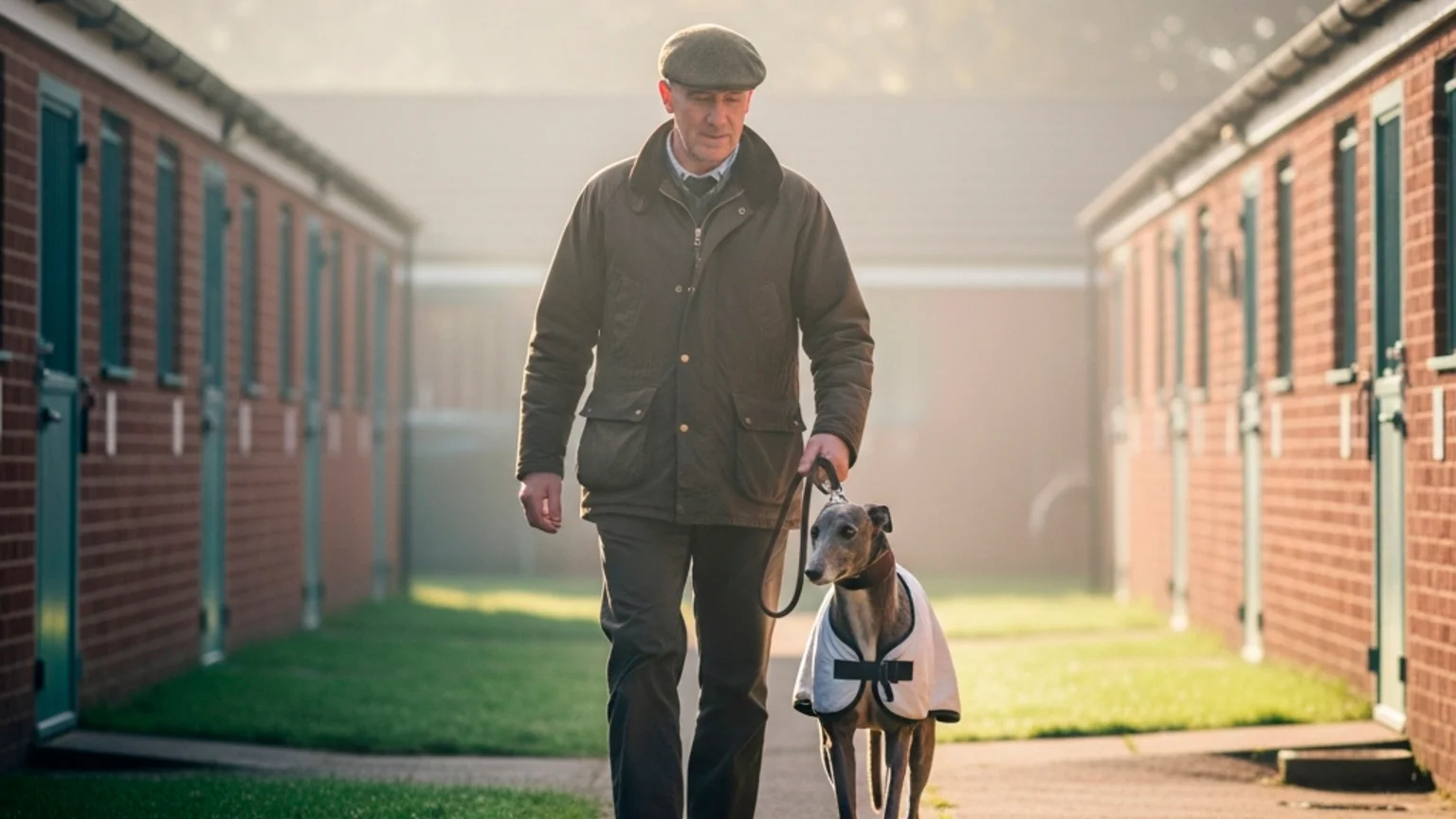
Sheffield greyhound trainers are the people behind the dogs — and in a sport where punters obsess over trap draws and sectional times, the human element is routinely underestimated. Every dog that races at Owlerton is prepared by a licensed trainer who is responsible for its fitness, its diet, its racing programme and its day-to-day welfare. The difference between a well-prepared greyhound and one that is slightly off its peak is often invisible on the racecard but glaringly obvious in the results.
Understanding trainer form at Sheffield is one of the most effective ways to find an edge in the betting market. Not all kennels perform equally at every track, and some trainers have a particular affinity with Owlerton’s characteristics — its tight bends, its sand surface, its scheduling patterns. Identifying which kennels are in form at Sheffield, and which are going through a lean spell, is a discipline that rewards consistent attention rather than one-off analysis.
The Training Community Around Sheffield
The UK greyhound training community is larger than most casual observers realise. Across Britain, there are approximately 500 licensed trainers, supported by around 3,000 kennel staff and roughly 700 stadium employees. These numbers represent a professional infrastructure that operates year-round, with dogs requiring daily attention regardless of whether they are racing that week or not.
The trainers who supply dogs to Owlerton are drawn primarily from the Yorkshire and East Midlands regions, though Sheffield’s status as a major GBGB track means it also attracts entries from kennels further afield — particularly for open races and feature events like the Steel City Cup. The local training community includes kennels that have been associated with Sheffield racing for decades, operating from premises in the rural areas surrounding the city where land for exercise paddocks and trial tracks is available.
A typical Sheffield-focused kennel might have between ten and forty dogs in training at any given time, with the exact number depending on the size of the operation and the ambitions of the owners who have placed dogs there. The economics of training are tight. Trainers charge a daily rate for each dog in their care, covering feed, bedding, exercise and routine veterinary attention. Prize money supplements this income, but only successful kennels earn enough in prizes to meaningfully affect the bottom line. The result is a profession that demands long hours, genuine expertise in animal husbandry, and a deep understanding of racing tactics — all for financial rewards that are modest by comparison with most professional sports.
What distinguishes the top trainers at Sheffield is not just their win rate but the consistency of their output. A kennel that produces one or two winners per week from twenty runners over a sustained period is performing at a high level, even if the headline win percentage looks unspectacular. Greyhound racing is a six-dog contest, so the random baseline is roughly 16.6 per cent. Any trainer consistently exceeding that over a meaningful sample size at a specific track is demonstrating genuine skill.
How to Evaluate Trainer Form at Owlerton
The most common mistake punters make when assessing trainers is looking at career statistics rather than recent form. A trainer who had a dominant year at Sheffield in 2023 but has struggled throughout 2025 is not the same proposition as that career record suggests. Greyhound training is cyclical — kennels go through periods of strength when they have a batch of talented dogs in their care, and periods of weakness when those dogs retire and the replacements are still developing. The only way to capture this reality is to track trainer performance over rolling windows, ideally the last three to six months.
The metrics that matter are straightforward. Win rate at Sheffield is the starting point: how many runners has the trainer sent to Owlerton, and how many have won? A rate above 20 per cent over 50 or more runners is strong. Above 25 per cent is exceptional. But win rate alone does not tell the whole story. Place rate — the percentage of runners finishing in the first three — reveals whether a kennel’s dogs are consistently competitive even when they do not win. A trainer with a 15 per cent win rate but a 50 per cent place rate is sending well-prepared dogs that keep running into trouble or drawing badly, and those runners deserve close attention as potential value bets.
Distance specialisation is another factor worth tracking. Some trainers are notably better at preparing dogs for sprint distances, while others excel with stayers. This is not random — it reflects the trainer’s experience, the type of dogs they tend to attract, and the training methods they employ. A kennel that wins the bulk of its Sheffield races at 480 and 500 metres but rarely features in 660-metre events is telling you something about where its expertise lies. When that trainer enters a dog at 660 for the first time, the market may give it more credit than it deserves based on the kennel’s overall reputation.
Finally, pay attention to the timing of entries. Trainers who frequently switch dogs between distances or grades at Sheffield are often responding to specific observations about a dog’s ability or fitness. A drop in grade or a move to a shorter distance can signal that the trainer is looking for an easier opportunity — and when the move works, it often produces a confident winner at a price that rewards the punter who spotted the switch on the racecard.
GBGB Kennel Standards and Inspections
Every trainer who supplies dogs to Sheffield — or any other GBGB-licensed track — operates under a regulatory framework that governs the conditions in which greyhounds are housed, fed and exercised. The GBGB’s licensing system requires kennels to meet specific standards covering space per dog, sanitation, temperature control, exercise provision and veterinary access. These are not optional guidelines; they are conditions of the licence, and failing to meet them can result in sanctions, suspension or removal from the sport.
The enforcement of these standards has been significantly strengthened in recent years. Routine visits by GBGB officials to licensed trainers’ premises have increased by 73.2 per cent since the launch of the organisation’s welfare strategy, with each licensed trainer receiving an average of three visits during 2024. These inspections are not announced in advance — trainers must be prepared for scrutiny at any time, which means the standards must be maintained consistently, not just tidied up for a scheduled appointment.
For punters, the kennel inspection regime matters indirectly but meaningfully. Trainers who operate well-run, well-regulated kennels tend to produce healthier, fitter dogs that perform more consistently on the track. A kennel that cuts corners on welfare is, almost by definition, cutting corners on preparation — and the form book will eventually reflect that. The GBGB’s inspection data is not published at the individual kennel level, so punters cannot directly check a trainer’s compliance record. But the overall trend towards higher standards and more frequent inspections has raised the baseline quality of greyhound care across the sport, and Sheffield benefits from that as much as any other track.
The broader context here is that greyhound training in Britain is a regulated profession, not a casual hobby. Trainers invest in facilities, undergo assessments, and accept ongoing oversight of their operations. The best trainers at Owlerton are not just skilled handlers of fast dogs; they are professionals managing complex businesses in a sport that demands both expertise and accountability.