Sectional Times in Sheffield Greyhound Racing
Best Greyhound Betting Sites – Bet on Greyhounds in 2026
Loading...
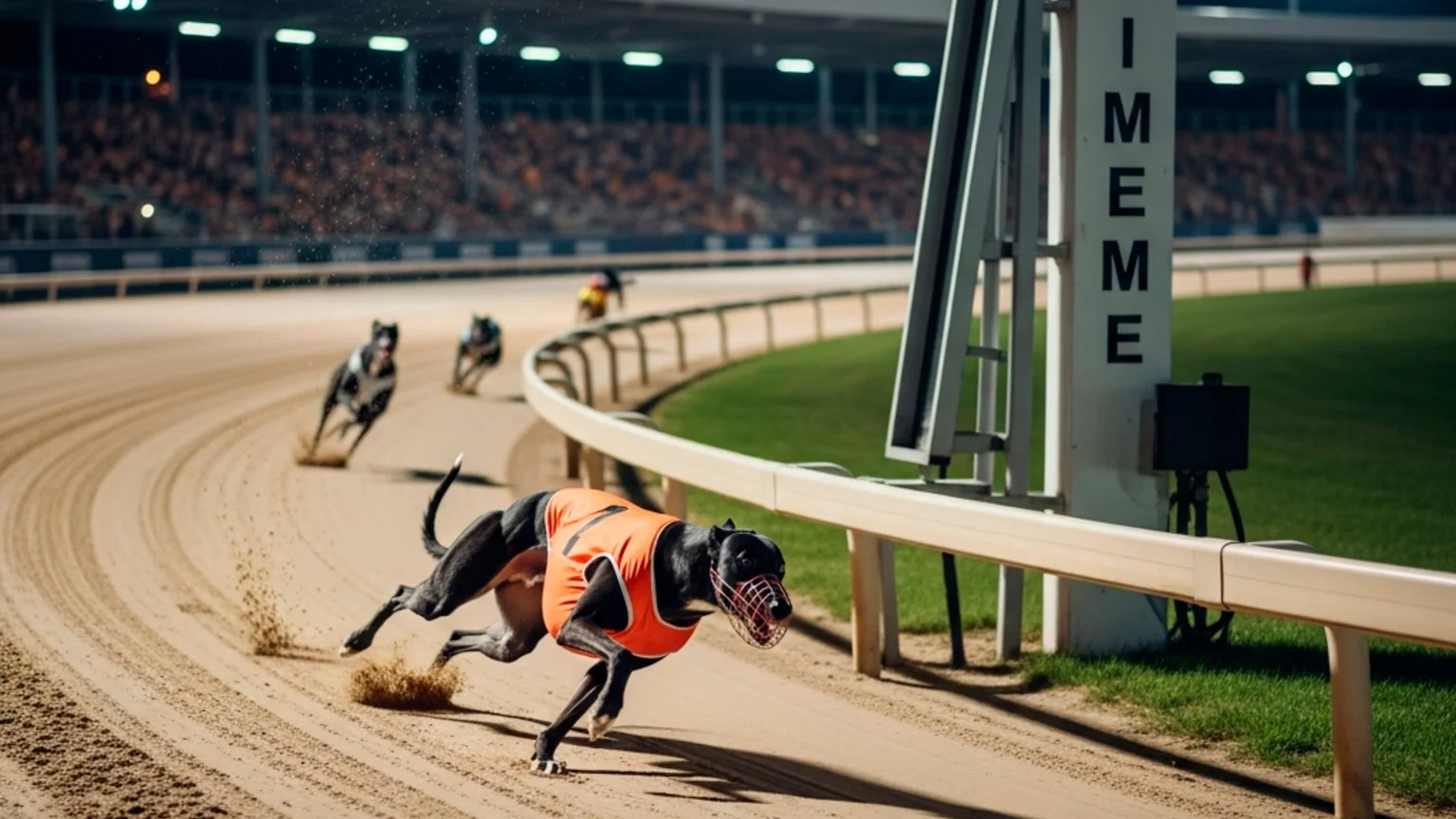
Sectional times at Sheffield strip a greyhound race down to its component parts. Instead of a single finishing time that tells you only how long the winner took to complete the course, sectionals reveal what happened at each stage — how quickly a dog left the traps, how it negotiated the bends, whether it accelerated or faded in the closing stretch. This is the difference between knowing the score and knowing the story.
At Owlerton, where tight bends and a compact circuit mean that trouble at any stage can derail a run, sectional data is particularly valuable. A dog that posted a slow overall time but showed the fastest split through the final section may have been badly checked on the first bend and spent the rest of the race recovering. Without sectionals, that dog looks slow. With them, it looks unlucky — and potentially very good value next time out.
What Sectional Times Measure at Each Stage
A sectional time is the time taken by a dog to cover a specific portion of the race, measured between fixed points on the track. At Sheffield, the key sections correspond to the run from the traps to the first bend, each subsequent bend-to-bend interval, and the final run from the last bend to the finishing line. The sectional data recorded at GBGB tracks breaks races into these stages, giving each dog a split time for every section of the course.
The first split — traps to first bend — is arguably the most important at Owlerton. The run to the first turn is approximately 62 metres, and in that short distance the race often takes shape. A dog that posts the fastest first-section time has broken sharply and reached the first bend in front or close to it. At sprint distances, this split is frequently decisive: the dog with the best first-section time wins the race in the majority of cases, because there are not enough bends remaining for a slower starter to recover.
The middle sections — bend to bend — tell a different story. These splits reveal how well a dog maintains its speed through the turns. A dog that runs fast first sections but posts progressively slower middle splits is a front-runner that fades. A dog with a moderate first split but consistently fast middle sections is one that runs on through the race, often finishing strongly. The pattern of splits across the race is what analysts call the “pace profile” of the dog, and it is far more revealing than the overall finishing time.
The final split — last bend to finishing line — measures what punters call “run-in speed.” Dogs that post the fastest final sections are finishing strongly, which can mean one of two things: either they had a clean run and were still full of running at the end, or they were caught in traffic early and accelerated once they found clear space. Distinguishing between these two scenarios requires reading the sectionals alongside the race comments, but either way, a fast final split is a positive indicator for future races.
Where to Find Sheffield Sectional Data
Sectional times for Sheffield greyhounds are available from several sources, though the level of detail and ease of access varies between platforms. The most comprehensive sources are specialist greyhound data services that record split times for every runner in every race at GBGB tracks. These services — including platforms like TimeForm, GreyhoundStats and the data feeds provided by SIS — capture sectional information as part of the standard race record and make it available to subscribers.
At The Races and Sporting Life occasionally display sectional data alongside their results, though coverage is not always consistent across every meeting. For Sheffield specifically, the busy schedule means there is a large volume of sectional data generated each week, but accessing it in a structured, searchable format usually requires a subscription to a dedicated greyhound data platform rather than relying on free results services.
RPGTV broadcasts sometimes reference sectional times during their commentary, particularly when a performance is notable — either exceptionally fast or surprisingly slow relative to the dog’s usual profile. This can be a useful prompt to investigate further, even if the broadcast does not display the full sectional breakdown on screen. If the commentator notes that a dog posted a particularly quick final section, that is a flag worth following up with a more detailed data check.
For punters who are serious about integrating sectional analysis into their Sheffield betting, the most efficient approach is to subscribe to one of the specialist data services and build a personal database of sectional profiles for the dogs that race regularly at Owlerton. This is an investment of both money and time, but it provides an analytical edge that the majority of punters — who rely solely on finishing positions and overall times — do not possess.
How to Interpret Splits for Form Analysis
Raw sectional times are only useful if you know how to interpret them in context. The starting point is comparison — not with other dogs, but with the same dog across its recent runs. Consistency in sectionals is a strong positive indicator. A dog that posts first-section times within a few hundredths of a second of each other across five or six races is a reliable breaker. A dog whose first-section times vary wildly is an inconsistent trapper, and its overall form will reflect that volatility.
The next level of analysis involves comparing a dog’s sectional profile with the demands of the race it is entered in. At Sheffield’s sprint distances, the first split is overwhelmingly the most predictive section. If a dog has the fastest average first-section time in the field, it is the most likely winner at 280 or 362 metres — provided the trap draw does not work against it. At standard distances of 480 and 500 metres, the middle and final sections gain importance, because the race is long enough for a dog with a weaker first split but strong later sections to run down the early leaders.
Favourites in greyhound racing win approximately 30 to 40 per cent of the time, which means the majority of races are won by dogs the market considers less likely to succeed. Sectional analysis is one of the tools that helps identify those dogs before the market does. A runner with a finishing position of fourth in its last race but the fastest final-section time in the field is not a dog in poor form — it is a dog that encountered problems and still finished strongly. If the race comments confirm interference or crowding, the sectional data validates the theory that the dog is better than its recent results suggest.
The most sophisticated application of sectionals at Sheffield involves adjusting for track conditions. Splits run on heavy going will be slower than splits on fast ground, so comparing them directly is misleading. Serious analysts adjust sectional times for the prevailing going, either by calculating the difference between each dog’s split and the meeting average for that section, or by expressing each split as a percentage of the track record for the relevant distance. These adjustments are laborious but they produce a truer picture of ability than unadjusted raw times.
Finally, sectional trends over time reveal whether a dog is improving, declining or holding its form. A dog whose final-section times have been getting progressively faster over its last four runs is on an upward trajectory, even if its finishing positions have not yet reflected the improvement. Conversely, a dog posting slower first-section times than it managed three weeks ago may be losing its early pace — a warning sign that the form book, focused on finishing positions, might not yet be flagging.