Greyhound Welfare and Rehoming at Sheffield: Owlerton's Commitment to Retired Dogs
Best Greyhound Betting Sites – Bet on Greyhounds in 2026
Loading...
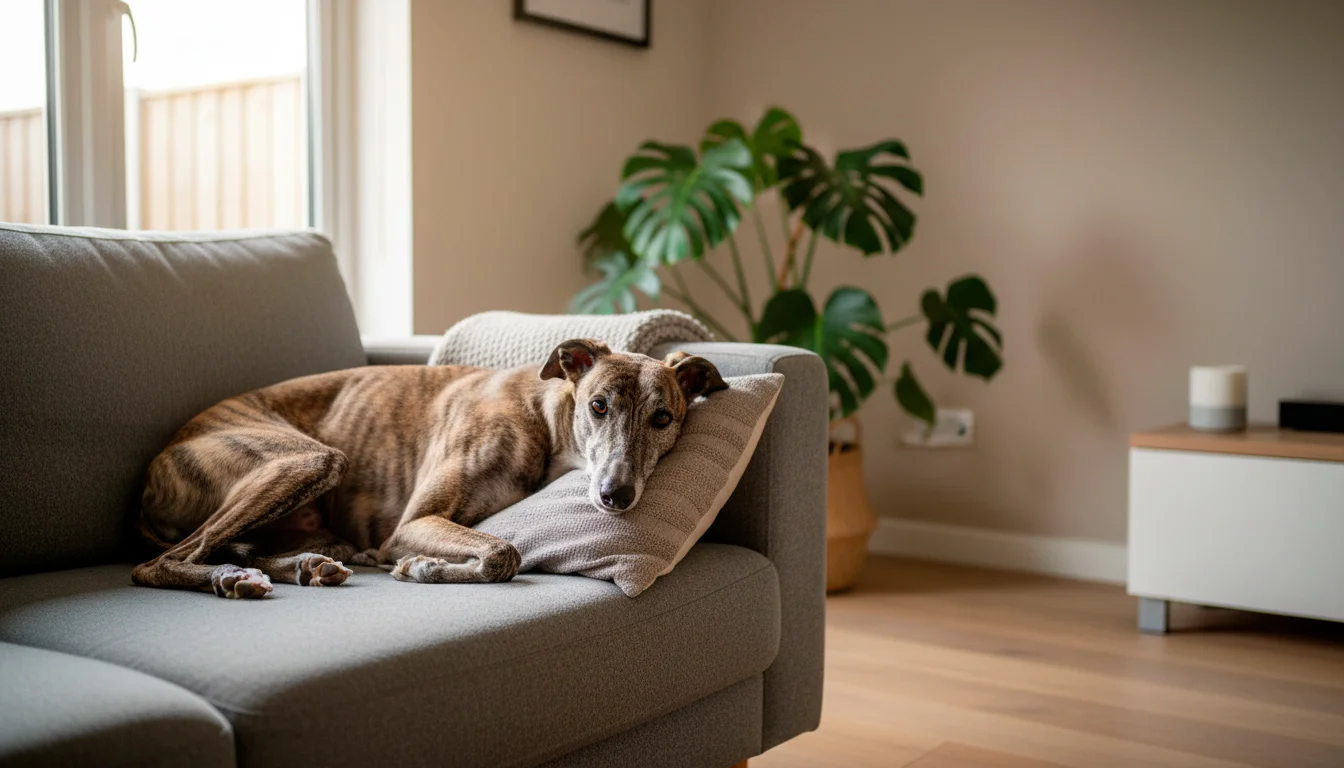
Sheffield retired greyhounds rehoming is not a footnote to the racing at Owlerton Stadium — it is one of the central questions the sport has to answer. Greyhound racing generates entertainment, employment and economic activity. It also produces dogs that, at some point, stop racing. What happens to them next is a measure of the industry’s integrity, and it is a question that Sheffield and the wider GBGB framework have invested significant resources in addressing. In 2024, 94 percent of greyhounds leaving the sport were successfully rehomed or retained by their connections, up from 88 percent in 2018. That improvement is real and documented, though the story it tells is more complex than a single percentage can convey.
This article examines the welfare infrastructure that governs greyhound racing in Britain, from the GBGB’s overarching strategy to Sheffield’s local rehoming partnership and the national data on retirement outcomes. It also covers what adoption looks like in practice for anyone considering bringing a retired racer into their home, and how the sport measures — and is measured on — its welfare commitments. The tone here is factual. The numbers are sourced. The intent is to give you a clear picture of where greyhound welfare stands as of 2026, what progress has been made, and where the gaps remain.
GBGB’s Welfare Strategy: ‘A Good Life for Every Greyhound’
The Greyhound Board of Great Britain launched its long-term welfare strategy in May 2022 under the title “A Good Life for Every Greyhound.” Jeremy Cooper, GBGB Chairman and former Chief Executive of the RSPCA, described it at the time as “one of the most in-depth and comprehensive strategies for working animal welfare that has ever been produced in this country.” That is a substantial claim, and whether it holds up depends on whether the framework delivers results rather than just ambitions. Three years into the programme, the data suggests meaningful progress across several key metrics, though the strategy’s ultimate success will be measured over a longer horizon.
The strategy operates across multiple pillars. The first is regulation and oversight of kennels and training facilities. Licensed trainers in the UK are subject to inspections, and the frequency of those inspections has increased substantially since the strategy’s launch. Routine kennel visits by GBGB regulatory staff rose by 73.2 percent compared to pre-strategy levels, with the average licensed trainer receiving three visits during 2024. The purpose of these visits is to ensure that kennels meet welfare standards — covering housing, nutrition, exercise, veterinary care and general living conditions — and to identify any issues before they become serious problems. This is not a box-ticking exercise, at least not in design. The increased frequency means trainers are under more regular scrutiny, and the data collected during visits feeds into the GBGB’s ongoing assessment of kennel quality across the sport.
The second pillar is the Greyhound Retirement Scheme, which provides funding for the rehoming of retired racers. The GRS operates through a bond system: since 2025, every owner pays a £420 bond when registering a greyhound for racing. That bond is returned when the dog is confirmed as rehomed or retained by the owner at the end of its career. If the dog goes through an accredited rehoming centre, the bond money is directed to the centre to support its work. The system creates a financial incentive for owners to ensure their dogs have a post-racing destination and generates a fund that directly supports the rehoming infrastructure. The bond was increased from £400 to £420 in 2025, a modest uplift that reflects the ongoing cost pressures faced by rehoming centres. Beyond the bond system, GBGB has also allocated over 115 Trainer Development Grants totalling more than £480,000 in 2024, improving kennel facilities and training environments across the sport.
The third pillar covers veterinary care and injury management during the racing career itself. GBGB employs regional regulatory veterinarians who oversee welfare at licensed tracks, and the Injury Recovery Scheme provides funding for the treatment of career-ending orthopaedic injuries — since December 2018, nearly £1.5 million has been paid out through this scheme. The strategic emphasis on veterinary oversight extends beyond race-day coverage to include the kennel inspection programme, creating an integrated approach that aims to catch welfare issues at every stage of a greyhound’s career rather than only responding to problems that emerge on the track.
The strategy also includes a public-facing communications element, most prominently the “Share Your Life With A Greyhound” adoption campaign that launched in partnership with accredited rehoming centres. This is not purely a marketing exercise — it is tied to measurable adoption targets — but it does serve a dual purpose of promoting greyhound adoption to the public and demonstrating the industry’s commitment to post-racing welfare. Whether you view this as genuine progress or carefully managed public relations depends on how much weight you give to the numbers that sit behind it, and those numbers are examined in detail in the retirement data section below.
Sheffield Retired Greyhounds: Owlerton’s Local Rehoming Partner
At the local level, greyhound rehoming at Sheffield operates through Sheffield Retired Greyhounds, a volunteer-run organisation that works alongside Owlerton Stadium to find homes for dogs that have finished their racing careers. The relationship between the stadium and the rehoming group is not merely symbolic — it is a functional pipeline. When a dog based at Sheffield reaches the end of its competitive life, the trainer and the stadium’s racing management facilitate the transition to the rehoming organisation, which then takes responsibility for assessing the dog, providing initial foster care if needed, and matching it with a suitable adoptive family.
The process begins with the trainer, who is responsible for notifying the GBGB when a dog retires. Under the Greyhound Retirement Scheme, the retirement must be formally recorded, and the dog’s destination — whether it is staying with the owner, going to a rehoming centre, or being placed through another route — must be documented. At Sheffield, the majority of dogs that do not remain with their owners or trainers pass through the local rehoming network. The group conducts its own assessment of each dog’s temperament, behaviour around other animals, and suitability for different types of home — urban flat, suburban house with a garden, family with children, single-person household — and uses that assessment to guide the matching process.
Volunteer foster carers play a critical role. Many retired greyhounds have never lived in a domestic environment. They have spent their lives in kennel facilities, and the transition to a home — with stairs, sofas, kitchen smells, doorbells and the general unpredictability of domestic life — requires an adjustment period. Foster carers provide that transition space, typically hosting a dog for two to six weeks while it acclimatises. During this period, the foster carer observes the dog’s behaviour, identifies any quirks or issues that prospective adopters should know about, and helps the dog learn the basics of house living. It is a labour-intensive system that relies on goodwill and commitment, and without it, the rehoming process would be significantly slower and less effective.
Sheffield Retired Greyhounds is one of more than 100 centres across the UK accredited under the GBGB’s Greyhound Retirement Scheme, meaning it meets the board’s standards for animal welfare, veterinary oversight and rehoming practice. Accreditation is not automatic and not permanent — centres are subject to review — which provides a degree of quality assurance within the rehoming network. The funding that flows from the GRS bond system supports the day-to-day operations of these centres, covering veterinary bills, food, kennel maintenance and the administrative work that underpins every successful placement.
For anyone in the Sheffield area who is interested in meeting retired greyhounds with a view to adoption, the local group operates open days and individual viewings by arrangement. The emphasis is on finding the right match rather than the fastest placement — a philosophy that benefits both the dogs and the adopters, even if it means some dogs spend longer in the system than others. A well-matched placement that lasts for the dog’s lifetime is worth more than a quick adoption that breaks down within months.
Retirement Outcomes: From Track to Home in Numbers
The numbers are the most objective measure of where greyhound welfare stands, and the GBGB publishes its injury and retirement data annually. The 2024 dataset covers all GBGB-licensed tracks, including Sheffield, and the headline figures show a sport that has made measurable progress on the metrics it reports.
Of the 6,165 greyhounds that left racing in 2024, 5,795 — or 94 percent — were successfully rehomed or retained by their connections. That figure represents a steady climb from 88 percent in 2018, the year that serves as the baseline for the GBGB’s current welfare reporting framework. The improvement translates into several hundred additional dogs per year finding homes compared to the previous rate. In absolute terms, only three greyhounds were euthanised for economic reasons in 2024 — that is, put down because no one was willing to pay for their continued care — compared to 175 in 2018. That reduction, from three figures to single digits, is the starkest indicator of changed attitudes within the sport. Mark Bird, Chief Executive of GBGB, said of the 2024 figures: “There is much to be pleased and encouraged by in this year’s data. It shows that the initiatives we have introduced in recent years are now embedded and are helping to consolidate the significant progress we have made since 2018 across all measures.”
On the injury front, the 2024 data recorded 3,809 injuries across 355,682 individual race runs, producing an injury rate of 1.07 percent — the lowest on record. The fatality rate — dogs that died or were euthanised as a direct result of racing injuries — stood at 0.03 percent, down from 0.06 percent in 2020 and continuing a downward trend that the GBGB attributes to improved track safety standards, better veterinary coverage and the data-driven approach embedded in its welfare strategy.
The Greyhound Retirement Scheme has been a significant driver of the rehoming numbers. Since its launch in 2020, the GRS has channelled more than £5 million to over 100 accredited rehoming centres, supporting the placement of more than 12,500 greyhounds. The funding model — built on the bond paid by owners at registration — creates a direct financial link between racing participation and retirement provision. Every dog that enters the sport generates a contribution to the system that will eventually facilitate its exit from the sport.
The most recent indicator of momentum in the rehoming effort comes from adoption figures for the first half of 2025, which showed a 37 percent increase in adoptions from GRS-accredited centres compared to the same period in 2024. The GBGB attributes this growth in part to the “Share Your Life With A Greyhound” campaign, which has raised the profile of greyhound adoption among the wider public. Whether the increase is sustainable or represents a one-off spike driven by campaign activity remains to be seen, but the direction of the trend is positive.
These numbers are published by the GBGB, which is the governing body of the sport and therefore has an interest in presenting its welfare record favourably. That does not mean the data is fabricated — it is audited and subject to external scrutiny — but it does mean it should be read with an awareness of who is producing it and why. Independent welfare organisations offer their own assessments of the sport’s record, and the picture they paint is not always as unequivocally positive. The tension between the industry’s self-reported data and external criticism is part of the welfare conversation, and we address it in the accountability section below.
Thinking of Adopting? What to Expect from a Retired Racer
Retired greyhounds have a reputation among experienced dog owners that consistently surprises people who have never lived with one. The assumption is that a dog bred and trained for speed must be hyperactive, high-maintenance and difficult to manage in a domestic setting. The reality is closer to the opposite. Most retired racers are remarkably calm, low-energy house dogs that spend a significant portion of their day sleeping and are content with a couple of moderate walks and a comfortable sofa. The phrase “forty-mile-per-hour couch potato” gets used often in greyhound adoption circles, and while it is a cliche, it is a cliche that persists because it is broadly accurate.
That said, adopting a retired racer is not the same as adopting a dog that has been socialised in a home environment from puppyhood. Racing greyhounds typically live in kennel facilities with structured routines — feeding times, exercise runs, and periods of rest in individual kennels. They may never have encountered stairs, glass doors, mirrors, televisions, vacuum cleaners, or the hundreds of other domestic stimuli that household dogs grow up with. The first few weeks after adoption are a learning period for both the dog and the owner. Some greyhounds adapt within days. Others take weeks to feel comfortable in their new surroundings. Patience is not optional during this transition — it is essential.
One practical consideration that prospective adopters should understand is prey drive. Greyhounds are sighthounds bred to chase moving objects, and while many retired racers have a manageable level of prey drive, some retain a strong instinct that makes off-lead walking risky around small animals. This does not mean every greyhound will chase a cat or a small dog, but it does mean that careful assessment — typically conducted by the rehoming organisation during the fostering period — is necessary before making assumptions about how the dog will behave in open spaces. Most adoption groups will advise on the individual dog’s prey drive and recommend whether it should be kept on-lead in parks or whether it can be trusted with supervised freedom.
The physical characteristics of greyhounds create some specific care requirements. Their thin skin and low body fat make them more susceptible to cuts, abrasions and temperature extremes than many other breeds. In winter, a coat is not a fashion accessory — it is a welfare necessity for a dog with almost no insulating body fat. In summer, greyhounds can overheat quickly during exercise. Their dental health tends to require more attention than average, partly due to the breed’s jaw structure and partly as a consequence of their earlier diet in racing kennels. Regular veterinary check-ups are important for any dog but particularly so for a breed with these specific vulnerabilities.
If you are in the Sheffield area and interested in adopting, Sheffield Retired Greyhounds is the first point of contact. The process typically involves an initial enquiry, a home check, a meeting with available dogs, and — if a suitable match is found — a trial period during which you can assess how the dog settles into your home. Adoption fees vary but generally cover the cost of vaccinations, neutering and basic veterinary checks. The rehoming organisation provides ongoing support after placement, which is particularly valuable during the first few months when questions inevitably arise about behaviour, diet and routine.
Accountability and Transparency: How the Sport Measures Progress
The GBGB’s decision to publish annual injury and retirement data represents a level of transparency that did not exist in UK greyhound racing before 2018. The data is released publicly, covers all licensed tracks, and provides enough granularity to track trends over time. This is a genuine step forward. An industry that publishes its welfare record — including uncomfortable figures like fatality rates and euthanasia numbers — is at least subjecting itself to scrutiny, which is more than can be said for many sectors involving working animals.
The data publication has also created a benchmark against which external organisations can evaluate the sport’s claims. Tiffany Blackett, GBGB’s Executive Veterinarian, has outlined the practical measures that underpin the numbers, noting that regional regulatory veterinarians have taken over the annual kennel inspections from trainers’ own vets — a change that strengthens the independence of the inspection process. The shift from self-regulation to external oversight within the existing GBGB framework is meaningful, even if critics argue it does not go far enough.
Those critics are primarily animal welfare organisations, and their position deserves fair representation in any balanced assessment of greyhound welfare. The RSPCA has been consistently critical of the sport, arguing that the risks inherent in racing greyhounds around oval tracks at high speed are predictable and avoidable, and that the injury and fatality figures — while improved — still represent a level of harm that the sport should not tolerate. The RSPCA’s position is that the welfare improvements documented by the GBGB, though welcome, do not address the fundamental ethical question of whether greyhound racing should continue at all.
This is the fault line in the welfare debate. The GBGB and the sport’s supporters argue that greyhound racing can be conducted responsibly, that welfare standards are improving, and that the data demonstrates a trajectory in the right direction. Welfare campaigners argue that no amount of improvement resolves the inherent risk of racing and that the only complete solution is to end the sport. Both positions are sincerely held. Both draw on evidence. And both are relevant to anyone engaging with greyhound racing — as a bettor, a spectator, or a potential adopter — because the welfare question is not going away.
The legislative landscape reinforces this point. Wales has voted to ban greyhound racing within its borders. Scotland has advanced its own bill through Stage 1. The UK government, by contrast, has stated clearly that it has no plans to ban the sport in England. The result is a fragmented regulatory environment where the sport’s future varies by jurisdiction, and where the welfare data published by the GBGB serves simultaneously as a defence against prohibition and as ammunition for those who believe the data proves the sport cannot be made safe enough. Sheffield sits in England, under the jurisdiction that has explicitly committed to allowing greyhound racing to continue, but the pressures from the devolved nations and from welfare organisations will continue to shape the regulatory framework within which Owlerton operates.
For anyone who cares about greyhound welfare — and that should include everyone who engages with the sport in any capacity — the responsible approach is to engage with the data, acknowledge the progress, recognise the criticisms, and make informed decisions. The welfare story at Sheffield and across UK greyhound racing is not a simple narrative of good or bad. It is a story of an industry under scrutiny that has made significant improvements while facing legitimate questions about whether those improvements are sufficient. The numbers will continue to be published, the debate will continue to evolve, and the welfare of the dogs will remain the measure by which the sport is judged.